
Fresh color can lose its expensive-looking finish long before you are ready for another full appointment. Your blonde starts reading a little too gold, your brunette looks flat, or your red seems less vibrant under South Florida sunshine. The toner versus gloss question matters because both services can revive your color beautifully, but they do not always solve the same problem.
At Pier Blondie, color is never treated as a one-size-fits-all formula. The right finishing service depends on your starting shade, your hair history, the look you want to maintain, and whether your priority is correcting unwanted tone, adding reflective shine, or both.
Toner Versus Gloss: The Core Difference
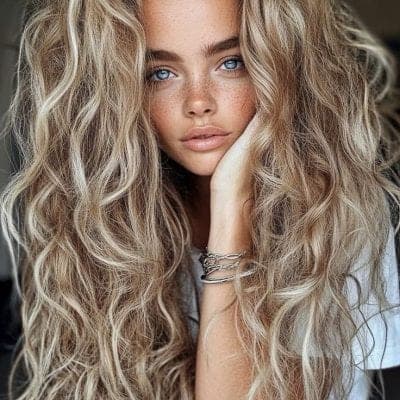
A toner is primarily used to adjust the tone of the hair. It helps neutralize or refine unwanted warmth after lightening, highlights, balayage, or a major color service. Think of it as the detail work that turns a yellow blonde into a creamy, icy, beige, or champagne blonde. It can also soften orange tones in brunettes, refine overly warm highlights, and balance certain red shades.
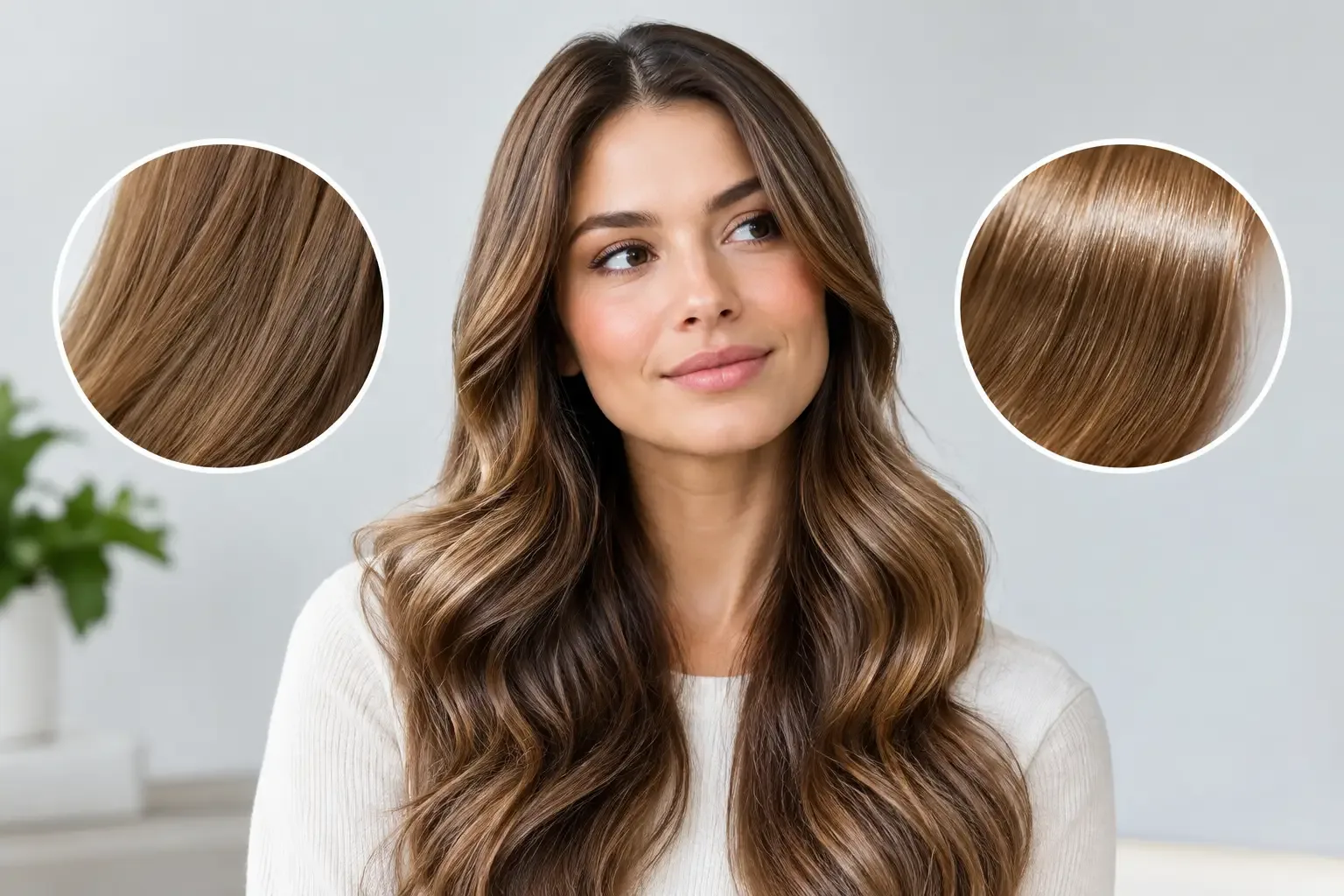
A gloss is designed to enhance shine and refresh the overall look of the hair while adding a subtle veil of tone. Many salon glosses are demi-permanent color formulas, which means they deposit color without the same level of lift associated with permanent color. A gloss can make faded brunette hair look richer, give red hair a fresh pop, blend the appearance of early grays, or make blonde hair look more polished between highlight appointments.
The lines can overlap. A gloss may be formulated to shift tone, and some people use the word “toner” to describe nearly any post-color service. The real difference is the result your stylist is targeting. Toner is often correction-focused. Gloss is often finish-focused, with shine, softness, and color renewal at the center.
When Toner Makes the Biggest Difference
Toner is the go-to choice when your color is technically in the right brightness range but the underlying warmth is showing through. This is especially common after a balayage or highlight service, since hair must pass through warm stages as it lightens.
If your blonde has gone buttery when you prefer a cooler beige or bright pearl finish, toner can bring it back into balance. If your brunette balayage is pulling orange, a customized toner can help mute that brassiness without covering up the dimension your stylist created. The formula is selected according to the warmth present in your hair, not simply because a certain shade is trending online.
Toner is not a lightener
This distinction is worth knowing before you book. Toner does not usually make hair dramatically lighter. If your roots have grown in, if your blonde is too dark, or if previous color needs to be lifted out, you may need a lightening or color service first. Toner refines what is already there.
It also cannot erase every color challenge. Very strong orange or red undertones, uneven banding, or dark artificial color may call for a more strategic correction plan. A skilled consultation protects the condition of your hair while setting realistic expectations for the color result.
How long toner lasts
Most toners fade gradually over several weeks. The exact timing depends on your hair’s porosity, how often you shampoo, your water quality, sun exposure, and the products you use at home. Lightened, porous hair can release tone faster, particularly in a humid coastal climate where frequent washing and pool days are part of the routine.
A purple or blue shampoo can help maintain certain cool shades, but it is not a substitute for a customized salon toner. Used too often, toning shampoo can leave hair looking dull, overly smoky, or uneven. Your stylist can recommend a maintenance routine that supports your specific shade rather than fighting it.
When a Hair Gloss Is the Better Choice
Choose a gloss when your color looks faded, dull, or less dimensional but you do not need a major correction. It is one of the best in-between services for keeping hair intentional rather than letting a beautiful color appointment slowly disappear.
For blondes, a gloss can add softness and reflection while adjusting the tone slightly. For brunettes, it can deepen richness and bring out the glossy, multi-dimensional finish that makes darker hair look luxurious. For redheads, it can restore that high-impact vibrancy that naturally fades faster than many other shades.
A clear gloss is another option. It does not noticeably alter your color but can add a glassy sheen and smoother-looking finish. This is especially appealing before a wedding, vacation, photoshoot, holiday event, or any moment when you want your hair to look freshly finished without changing your overall color.
What a gloss can do for texture and shine
Color is only part of what people notice. Light reflects differently off smooth, hydrated hair than it does off dry or roughened strands. A gloss can help hair look healthier and more polished by boosting reflection and enhancing the appearance of the cuticle.
That does not mean it is a replacement for a keratin treatment, Brazilian blowout, deep conditioning service, or a haircut that removes damaged ends. If frizz, breakage, or major dryness is the main concern, your stylist may recommend pairing a gloss with the service that addresses the actual issue. The most flattering finish comes from choosing treatments that work together, not asking one service to do every job.
Can You Get Toner and Gloss at the Same Appointment?
Often, yes. In many cases, a single customized demi-permanent formula provides both tonal refinement and shine enhancement. Your stylist may use a gloss-like formula to cancel brassiness after highlights, then leave you with luminous, silky-looking hair. This is why salon vocabulary can feel confusing: the name of the service matters less than the formula and the finished look.
During your consultation, describe what you see in the mirror. Saying “my blonde is too yellow,” “my brunette looks faded,” or “my red has lost its brightness” gives your stylist more useful information than requesting a specific product category. Photos can help too, especially when you are deciding between cool, neutral, warm, bright, or natural-looking tones.
Choosing Based on Your Hair Color
Blondes tend to benefit from toner when brassiness is the concern and gloss when the hair needs glow, softness, or a gentle tone refresh. Platinum and very light blondes usually need more regular tonal maintenance than honey or golden blondes because cool shades reveal warmth faster.
Brunettes may need a toner after lightening services when caramel or ash dimension starts turning orange. A gloss is ideal when the base color looks faded, lacks depth, or needs that freshly colored richness restored. It can be a beautiful choice for anyone who wants darker hair to look reflective instead of flat.
Red hair often responds especially well to glossing. Red pigment is known for fading quickly, so a color-depositing gloss can maintain vibrancy between full-color appointments. The right formula can lean copper, auburn, cherry, cinnamon, or natural-looking red without forcing you into a complete color service every time.
Gray coverage is more nuanced. A gloss may blend or soften the look of early gray, but it may not provide full, long-lasting coverage if that is your goal. Permanent root color is often the better match for clients who want more complete coverage at the regrowth area, while a gloss can refresh the lengths afterward.
How to Keep Your Finish Looking Fresh
The service is only half the strategy. Wash with color-safe shampoo, use lukewarm rather than hot water, and protect your hair from heat styling. If you swim, rinse your hair promptly afterward, since chlorine and minerals can shift blonde tones and leave any color looking less luminous.
Scheduling a gloss or toner refresh between larger balayage, highlight, or full-color appointments can keep your hair looking camera-ready without overprocessing it. Your timeline should be personal. Someone with an icy blonde, frequent beach days, and high porosity may need a refresh sooner than someone maintaining a soft, warm brunette.
Your best next step is simple: bring your current color concerns to the chair, along with the finish you want to see. Whether your hair needs a brass-canceling toner, a shine-boosting gloss, or a tailored combination, the right formula can make your color look freshly created again – and help you feel like the most polished version of yourself.