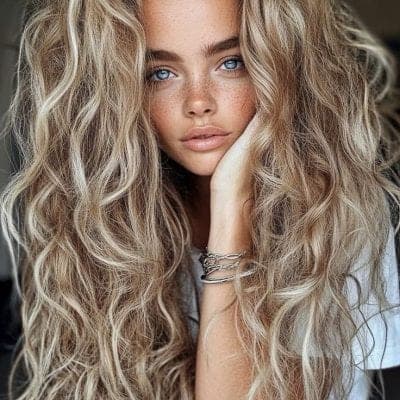

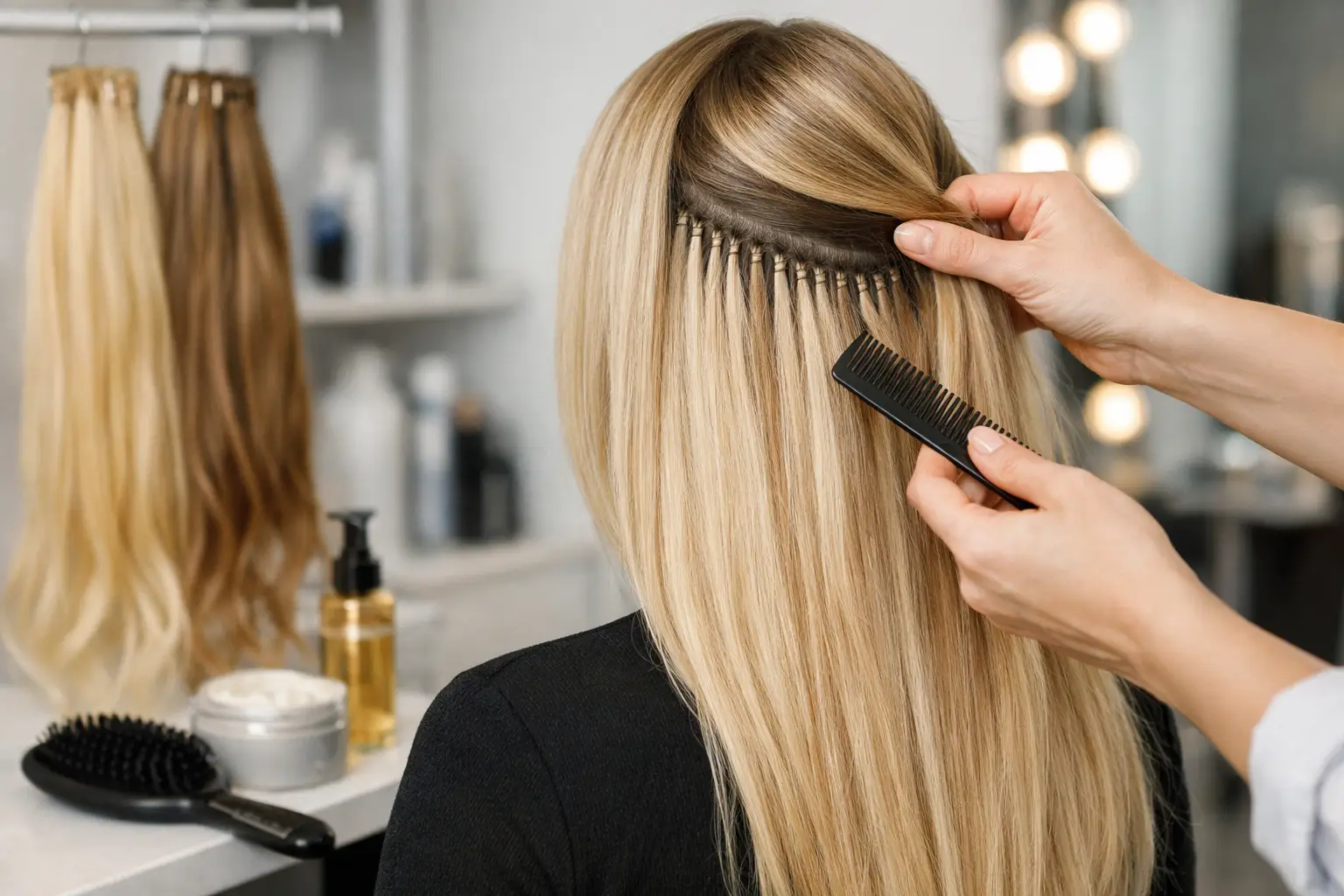
The fastest way to make gorgeous extensions look tired is to treat them like your natural hair. Extensions can absolutely deliver that fuller, longer, polished finish clients love, but they need a different level of care to stay smooth, blended, and camera-ready. This guide to hair extension maintenance is built for anyone who wants their investment to keep looking fresh between salon visits.
Whether you wear tape-ins, hand-tied wefts, sew-ins, keratin bonds, or clip-ins, the goal is the same: preserve the hair, protect the attachment points, and keep everything looking seamless. Great extensions should feel like part of your look, not a constant battle in your routine.
Your guide to hair extension maintenance starts with daily habits
Most extension problems do not begin in the salon chair. They start at home with rushed brushing, overwashing, product buildup, sleeping on damp hair, or too much heat in the same areas over and over. The good news is that small changes make a major difference.
Brushing matters more than most people realize. Start at the ends, work upward slowly, and always support the hair near the attachment area with your hand. That simple step reduces tugging and helps prevent shedding or loosening. If you pull from the root down, especially when the hair is tangled, you put stress exactly where you do not want it.
You also want to be realistic about your texture and lifestyle. If you wear your hair in ponytails, hit the gym often, spend time at the beach, or style with hot tools several times a week, your maintenance routine needs to be tighter. Extensions can still look incredible with an active schedule, but they will not stay flawless on autopilot.
Washing extensions without drying them out
Extensions do not receive natural scalp oils the same way your own hair does, which is why they can start to feel dry faster than expected. Washing too often strips moisture, but not washing enough can lead to buildup around the scalp and extension points. The sweet spot depends on your hair type, how much you work out, and the method you wear, but many clients do best washing two to three times a week.
Before you shampoo, brush thoroughly to remove tangles. Wet hair is more vulnerable, and washing tangled extensions usually makes the problem worse. Once your hair is saturated, apply shampoo at the scalp first and gently smooth it downward. Scrubbing aggressively or piling the hair on top of your head can create matting, especially with longer lengths.
Conditioner should focus on the mid-lengths and ends. Keep heavy conditioners, masks, and oils away from tapes, bonds, or sewn areas unless your stylist tells you otherwise. Moisture is essential, but too much product at the attachment points can cause slipping, loosening, or residue that dulls the finish.
After rinsing, gently squeeze out water with a soft towel. Do not twist, rub, or rough up the hair. That kind of friction can leave the cuticle looking frizzy and worn long before the extensions are actually due for replacement.
Drying is part of maintenance, not an afterthought
Air drying sounds gentle, but it is not always the best move for extensions, especially near the roots or attachment areas. Leaving moisture trapped can lead to tangling, flattening, or discomfort at the scalp. For many extension methods, drying the root area thoroughly is a must.
Use a blow dryer on controlled heat and work in sections. Focus first on the scalp and attachment points, then smooth the lengths with a brush if you want a polished result. If your extensions tend to frizz, this is where technique really counts. A rushed dry can make even premium hair look unfinished.
How to brush, sleep, and style without shortening wear time
If you only change three things, make them these: brush more carefully, sleep more protectively, and use less random heat. Those habits have a direct effect on how long your extensions stay beautiful.
Brush your hair at least morning and night, and more often if it tangles easily. Wind, humidity, workouts, and collars can all create knots at the nape. Those small tangles turn into bigger problems fast when ignored. A loop brush or extension-safe brush is usually the best choice, but your exact method may call for a more specific tool.
At night, never go to bed with wet hair. That is one of the easiest ways to create matting. A loose braid, low ponytail, or soft wrap can help keep the hair controlled while you sleep. A silk or satin pillowcase is also worth it if you want to reduce friction and keep the hair smoother between washes.
Heat styling is where a lot of clients accidentally age their extensions. Human hair extensions can usually be curled or straightened, but they still need protection. Always use a heat protectant, keep the temperature moderate, and avoid pressing direct heat on tapes, bonds, or other attachment points. High heat may give you a sleek finish in the moment, but repeated overheating can leave the hair dry, stiff, or uneven in tone.
Product choice can make or break the look
A good finish is not always about using more product. In fact, overloaded extensions often look heavy, separated, or dull. Lightweight, salon-quality formulas usually perform better than anything thick, sticky, or loaded with residue.
Dry shampoo can be useful, but placement matters. If you spray it directly onto tapes or bonds too often, buildup can follow. Serums and oils should stay concentrated on the ends, where the hair needs softness and shine most. Purple shampoo, clarifying shampoo, and protein-heavy masks can all be helpful in the right situation, but they should be used intentionally, not constantly.
If your extension color is bright blonde, balayage-blended, or custom-toned, product choice matters even more. Some formulas can shift tone, create dryness, or leave the hair looking flat. Maintenance is not just about keeping the extensions attached. It is about keeping them polished.
A practical guide to hair extension maintenance by method
Not every method needs the exact same routine. Tape-ins often require extra care around oils and conditioner placement because slippage can happen if the adhesive area gets overloaded. Hand-tied and sewn methods usually need consistent brushing near the weft line to prevent tangling and compression at the root.
Keratin bonds need a little more awareness with heat and product use. You want the hair to stay smooth, but not at the expense of softening the bond. Clip-ins are the easiest to control because you remove them daily, but they still need washing, detangling, and proper storage to keep their shape.
This is where professional guidance matters. The best maintenance routine is not just based on the hair itself. It depends on your method, your color services, your natural texture, and how you style your hair during the week. Someone who wears beach waves and dry texture spray every day needs a different plan than someone who prefers sleek blowouts and washes twice a week.
When it is time for salon maintenance
At-home care keeps your extensions looking good, but it does not replace salon upkeep. Move-up appointments are part of the process, not a sign that something is wrong. As your natural hair grows, attachment points shift lower, and that changes how the hair moves, blends, and feels.
Waiting too long can lead to stress on your natural hair, more tangling at the root, and a less polished shape overall. If your extensions start feeling harder to style, heavier in certain spots, or more visible than usual, that is often your sign to get back in the chair.
A professional maintenance appointment can refresh the placement, check for tension, remove buildup, trim the ends if needed, and bring the whole look back to life. That is especially important if your extensions are paired with dimensional color, glossing, smoothing treatments, or regular blowout styling. The best results happen when the full look is maintained together.
For clients who want hair that looks expensive every day, not just right after installation, salon support is part of the beauty plan. At Pier Blondie, extension maintenance is treated like what it is: the key to keeping your transformation polished, wearable, and worth every inch.
The mistakes that cost you softness, shine, and longevity
A few habits show up again and again when extensions start looking rough too soon. Sleeping with wet hair is one. Skipping regular brushing is another. Using drugstore products with heavy residue, blasting high heat daily, and postponing maintenance appointments can all shorten the life of your extensions.
There is also the issue of doing too much. Too many masks, too much oil, too many hot tool passes, too much tension in slick styles. Extensions usually look best when they are cared for consistently, not aggressively.
The real win is balance. Keep the scalp clean, keep the lengths hydrated, protect the attachment points, and treat styling like finishing work rather than damage control. When that routine is in place, extensions stay soft, blended, and ready for whatever look you want next.
Beautiful extension hair is never just about length. It is about how well that length holds up in real life, from busy mornings to beach dinners to every photo in between. Care for it with intention, and it keeps showing up for you.