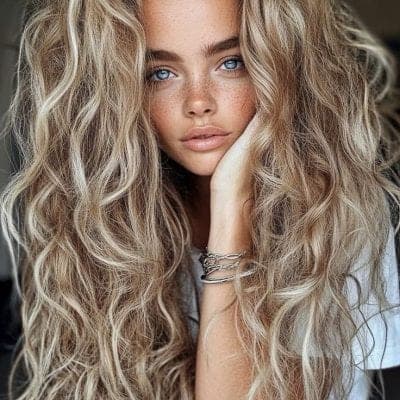


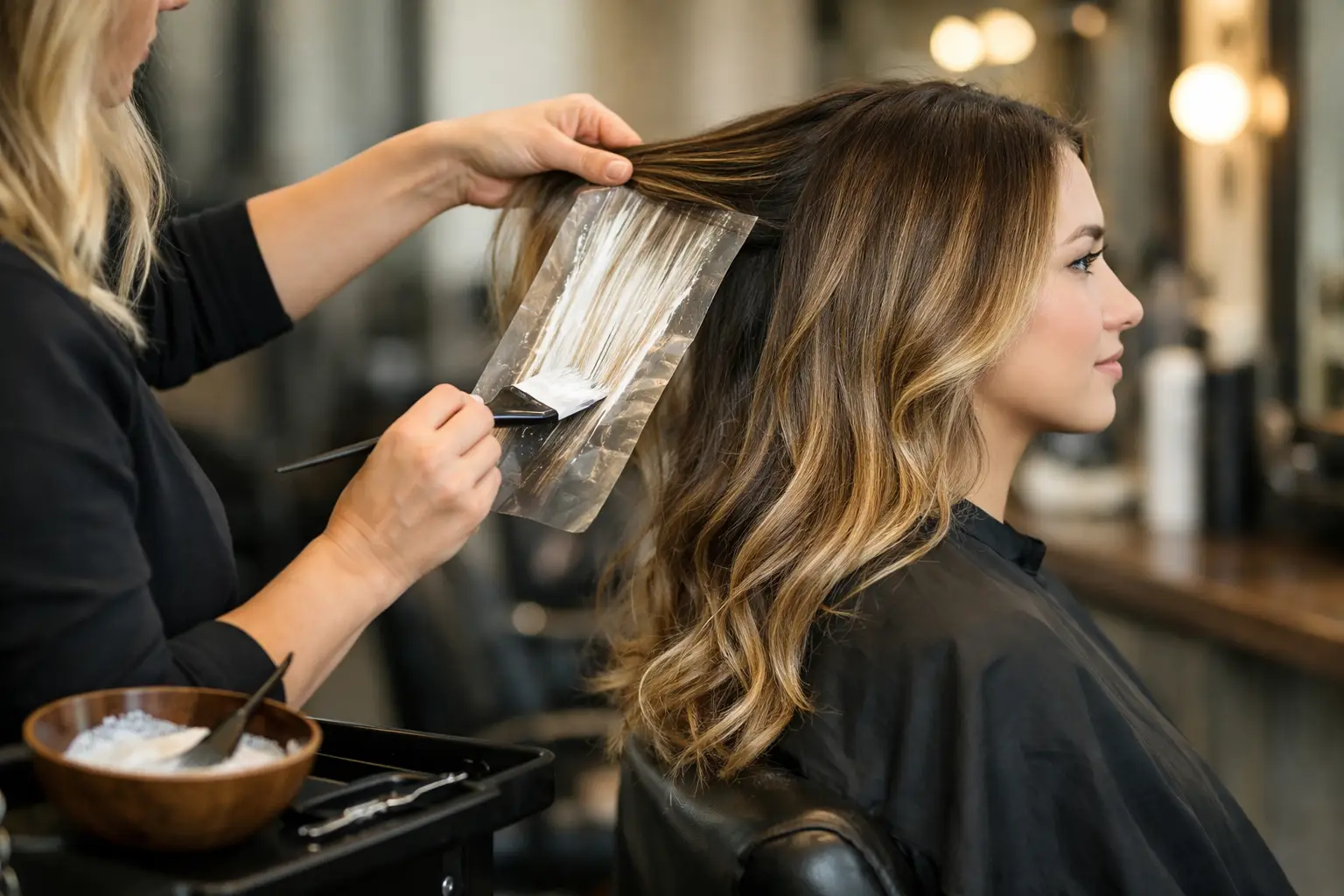
A balayage that looks expensive is rarely about going lighter everywhere. It is about putting brightness in the right places. If you are wondering how to choose balayage placement, the answer starts with your face shape, haircut, natural depth, styling habits, and how bold or soft you want the final result to feel.
Balayage is not one look. The same blonde ribbons that flatter one client can make another client look washed out, too stripey, or too high-maintenance. Great placement creates movement, frames the face, and makes your color feel custom instead of copied from a reference photo. That is where artistry matters.
How to choose balayage placement for your features
The most flattering balayage placement works with your features, not against them. Face-framing pieces are often the first thing people notice, but they should be adjusted to your proportions instead of painted the same way on everyone.
If your face is more round, brightness placed slightly below the cheekbones can help elongate your shape. If your face is longer, a softer, more diffused frame around the eyes and cheek area can create balance without dragging the eye downward. Heart-shaped faces often look beautiful with brightness around the jawline and lower front sections, while square face shapes can benefit from softer painted ribbons that break up strong corners.
This does not mean face shape rules are rigid. Hair density, parting, and how you usually wear your hair can matter just as much. A center part puts symmetry front and center, so your balayage placement needs to be balanced. A deep side part gives more room for drama on one side, which can be a smart choice if you want extra dimension without going fully bright.
Your haircut changes everything
Balayage placement should always follow the haircut. On long layers, the goal is usually to make the movement stand out. That often means painting the mid-lengths and ends in a way that highlights the shape of the layers, with a few brighter pieces higher up to keep the color from looking heavy.
On blunt cuts, placement usually needs more control. If too much brightness sits in the wrong area, the shape can start to look flat or blocky. A more refined pattern, with softness through the surface and concentration toward the ends, keeps the result polished.
Bobs and lobs need a different strategy from waist-length hair. Because there is less length to stretch the color, every painted section shows more. That can be beautiful, but it also means placement has to be intentional. A short cut with balayage often looks best when the lightness is focused where it adds texture and edge, not scattered randomly.
Curly and wavy hair also deserve their own placement plan. Since bends and coils catch light differently, balayage should be painted to enhance the pattern. The goal is not just lighter color. It is to make each curl grouping look more defined and dimensional.
Choose balayage placement based on your color goal
Before placement is decided, you need to know what you actually want your hair to do. Do you want a bright beachy blonde look, soft brunette dimension, a lived-in ribbon effect, or just a subtle glow around the face? These are very different color directions, and they require different placement maps.
If you want a low-maintenance result, your balayage placement should stay softer at the root with most of the brightness through the mid-lengths and ends. This keeps grow-out more forgiving and lets you go longer between appointments.
If you want your color to feel lighter the moment you walk out of the salon, brightness needs to start higher in select areas. Face-framing sections, the crown, and visible surface pieces may be painted closer to the root for that immediate pop. The trade-off is upkeep. The brighter and higher the placement, the more often you may want toning, glossing, or refresh appointments.
For brunettes, balayage placement often looks best when contrast is controlled. Too much lightness in random places can pull warm or brassy and lose that luxury finish. Strategic ribbons around the face and through the lengths usually create a richer result than overloading the whole head.
For blondes, placement is often about depth as much as lightness. If every piece is painted bright, the final color can fall flat. Keeping some natural shadow between sections gives the balayage that soft, dimensional look clients usually want when they ask for expensive blonde.
Placement should match your maintenance level
This is where honesty pays off. If you love the idea of bright balayage but only want to come in twice a year, the placement needs to reflect that. A beautiful balayage is not just about your inspiration photo. It has to fit your real schedule, budget, and styling routine.
Higher-impact balayage placement usually means more visible lightness around the hairline, part line, and top layers. It looks amazing, especially in photos and in sunlight, but those are also the areas where regrowth and tone changes show first. If you heat style often, swim, or spend a lot of time in the Florida sun, that can affect how quickly your color shifts.
A softer placement with blended roots and brightness focused lower down is often the smarter move if you want longevity. You still get movement and dimension, but the color grows out more gracefully. This is a great option for clients who want polished hair without feeling tied to frequent touch-ups.
The front pieces are not the whole story
A lot of clients come in asking for a money piece, and that can absolutely be part of the look. But balayage placement should never stop at the front. If the front is very bright and the rest of the hair is too dark or too flat, the result can feel disconnected.
The most natural, elevated balayage has a flow to it. The front should connect into the sides, the crown should support the brightness, and the ends should feel intentional. Even bold balayage needs continuity. That is what makes it look custom instead of trendy for two weeks and confusing after that.
This is especially true if you wear your hair up often. Ponytails, clips, and half-up styles expose sections that are easy to miss with generic placement. If your everyday style includes movement, off-the-face styling, or beachy texture, your color should be designed to still look finished from every angle.
Why your natural depth and undertone matter
Not every balayage placement lifts the same way because not every starting color behaves the same way. Darker natural hair may need a more selective approach to avoid too much warmth in the wrong places. Fine hair may appear lighter faster, while dense hair often needs stronger definition so the balayage does not disappear.
Undertone matters too. If your skin leans warmer, golden or honey placement can look radiant when it is balanced correctly. If your skin is cooler or more neutral, overly warm balayage around the face may feel off. Placement and tone work together. One without the other is only half the plan.
That is why consultation matters more than copying a photo. Two people can show the same balayage reference and need completely different application patterns to get a flattering result. The goal is not to duplicate someone else’s hair. It is to create your version of it.
What to ask for at your appointment
If you are not sure how to describe the right placement, focus on outcomes instead of salon jargon. Say where you want to look brighter, how much contrast you like, whether you want to stay low-maintenance, and how you usually style your hair. These details give your colorist something useful to build from.
It also helps to mention what you do not want. Maybe you do not want chunky ribbons, harsh front streaks, or brightness that starts too high. Maybe you love dimension but do not want your ends to look thin or overprocessed. Clear preferences lead to smarter placement.
At Pier Blondie, balayage is treated like a transformation service, not a one-size-fits-all add-on. That means placement is tailored to the shape of your haircut, your color goals, and the kind of result you want to see every time you catch your reflection.
The best balayage placement is personal
There is no single formula for perfect balayage placement, because perfect depends on who is wearing it. The right pattern can soften your features, sharpen your haircut, brighten your complexion, and make styling feel easier. The wrong one can still be pretty, but it will never feel fully yours.
If you want balayage that looks polished, dimensional, and made for you, start with placement before shade. The brightest result is not always the best one. The most flattering result is the one that puts light exactly where your hair needs it most.
A great balayage should not just change your color. It should change the way your whole look comes together.