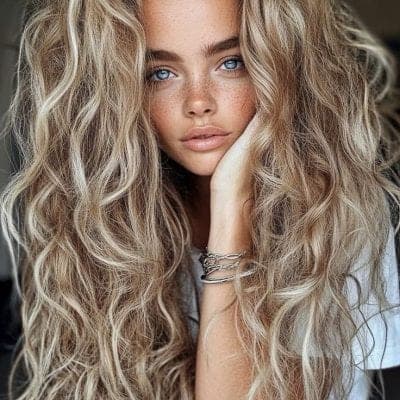

A color appointment can feel exciting right up until the mirror shows brassiness, uneven bands, overly dark ends, or a shade that simply does not feel like you. The salon color correction process is designed to move hair from a disappointing result toward a polished, wearable color plan – without treating your hair like a quick fix.
At Pier Blondie, beautiful transformations start with an honest look at where your hair is now, where you want it to go, and what your strands can comfortably handle. Whether you are correcting a box color experiment, softening a grown-out highlight, removing unwanted warmth, or refreshing a faded balayage, the goal is color that looks intentional, dimensional, and made for you.
Why Color Correction Is Different From a Standard Color Appointment
A standard color service begins with a relatively predictable canvas. A correction begins with variables. Previous permanent color, at-home dyes, old highlights, mineral buildup, sun exposure, chlorine, extensions, and heat styling can all affect how the hair responds to lightener and toner.
That is why two people can bring in the same inspiration photo and need completely different services. One client may need a gloss and a few carefully placed lowlights. Another may need to lift through several layers of dark artificial pigment before the tone can be refined. The beautiful result is the destination, but the safest route is always personal.
Color correction also asks for patience. Hair color does not erase color in a perfectly even way, especially when permanent dye or multiple overlapping formulas are involved. Warm undertones can appear as hair lightens, and that is normal chemistry, not a failed appointment. A skilled stylist plans for those underlying tones, then uses placement, toning, and conditioning support to create a more balanced finish.
The Salon Color Correction Process, Step by Step
It begins with a real consultation
The first step is a detailed conversation, not a rushed color decision. Your stylist will ask what has been used on your hair over the last several months or years, including professional color, box dye, henna, glosses, smoothing treatments, and at-home toning products. Bring photos of your current hair in natural light, along with inspiration images that show the finish you love.
Your desired color matters, but so does your lifestyle. Do you want low-maintenance lived-in dimension, bright blonde impact, a rich brunette refresh, or a more natural return after an experimental shade? A strong consultation sets expectations around timing, maintenance, budget, and whether your ideal result is realistic in one visit or better approached in stages.
Your stylist evaluates the canvas
Next comes a close look at the hair itself. Your stylist checks for porosity, elasticity, dryness, breakage, uneven color bands, and previous lightening. These details influence both the formula and the service choice.
Highly porous ends, for example, may grab toner more quickly than healthier roots. A dark band from prior color may require a different approach than new growth. If the hair has been heavily processed, preserving its strength may take priority over pushing for maximum lift. That trade-off protects the long-term look of your color, because shiny, healthy-looking hair reflects light far better than overworked hair ever will.
A strand test may shape the plan
When color history is unclear or the hair has a complicated past, a strand test can be one of the smartest parts of the appointment. It shows how a small section responds to lifting or color removal before the service is performed across the head.
A strand test can reveal whether the hair lifts evenly, exposes strong warmth, or needs a gentler approach. It may add time upfront, but it replaces guesswork with a plan. For major transformations, that clarity is worth it.
The correction strategy is customized
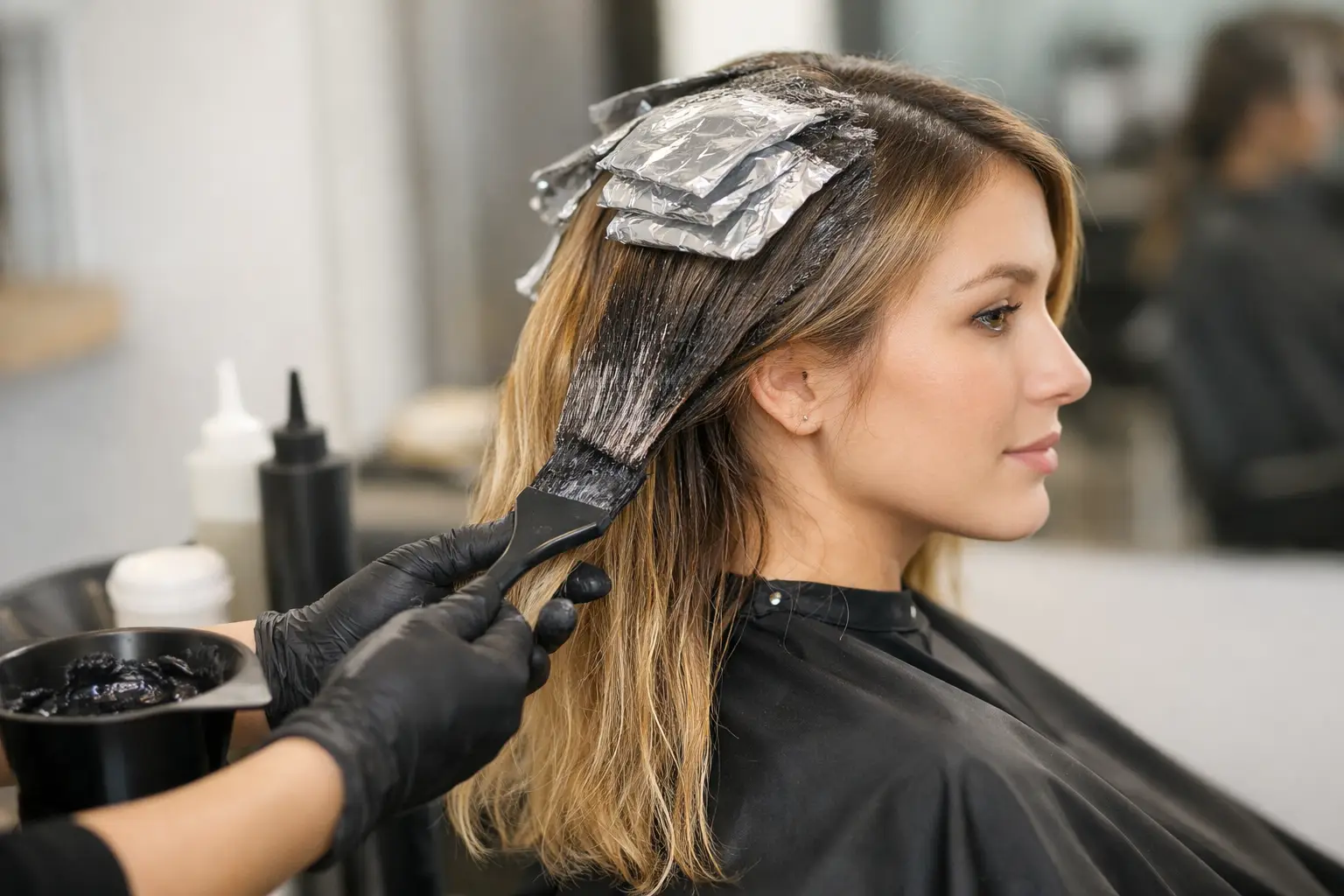
There is no single formula for correcting color. A stylist may use a color remover to reduce artificial pigment, strategically lighten selected sections, add lowlights to break up unwanted brightness, or apply a root melt to soften harsh lines. In other cases, a toner or hair gloss is enough to neutralize brassiness and bring faded color back to life.
Placement matters as much as formula. Balayage, foils, teasylights, shadow roots, and dimensional lowlights can redirect the eye and blend unevenness without forcing every strand to become the same shade. This is often the difference between hair that looks corrected and hair that looks beautifully designed.
Toning creates the finished mood
Lifting hair is only part of the work. Once the hair reaches an appropriate level, toner helps refine what the eye sees. Cool beige, creamy blonde, bright neutral, caramel, copper, mushroom brown, glossy espresso – each finish requires a different balance of pigments.
Toner is especially valuable after unwanted yellow, orange, or red tones are exposed. Still, toning is not a permanent substitute for proper lifting. If the hair is too dark beneath the surface, piling on ash can create a dull or muddy result. Your stylist will choose the tone that works with the level the hair can safely reach that day.
Protection and finishing matter
Correction appointments can include conditioning support and carefully paced processing to help maintain softness and manageability. Your stylist may recommend a smoothing treatment at a later date if frizz and texture are also concerns, but timing matters. Some services are best spaced apart so the hair has time to recover and the color can settle.
A polished blowout at the end of the service reveals dimension, shine, and movement. It also lets you and your stylist see the final color in different sections of the hair, not just while it is wet at the bowl.
Can Color Correction Be Done in One Appointment?
Sometimes, yes. If the issue is mild brassiness, faded tone, a harsh root line, or slightly uneven highlights, a gloss, root touch-up, lowlights, or targeted highlighting service may make a dramatic difference in one visit.
More complex situations often need more time. Going from very dark dyed hair to a bright blonde, correcting multiple box-color layers, or repairing significant banding can require a series of appointments. This is not a setback. It is a deliberate way to protect hair integrity while building a result that looks expensive, not rushed.
Think of the first visit as the moment your transformation gets moving in the right direction. You may leave with a softer blend, a richer tone, less visible banding, and a clear path to your final goal. Each subsequent appointment can continue lifting, refining, and strengthening the overall look.
How to Prepare for Your Appointment
Come with clean, dry hair unless your stylist has given you different instructions. Avoid using heavy root cover-up sprays, temporary color, or intensely pigmented masks right before the appointment, since they can make it harder to assess the true starting shade.
Be transparent about every color process you remember, even if it was months ago. That includes dark glosses, toning shampoos, henna, and DIY color removers. The more complete your history, the more accurately your stylist can plan. If you wear extensions, mention them during booking so the color service can be coordinated with your full look.
Set aside enough time. A correction is not the appointment to squeeze in between errands. Depending on the starting point and desired result, it may take several hours. Plan for a relaxed visit, and wear something comfortable that lets you enjoy the transformation.
Keeping Your Corrected Color Looking Fresh
The right aftercare helps protect the investment you make in your color. Use professional, color-safe shampoo and conditioner, limit very hot water, and apply heat protection before blow-drying or styling. If your corrected shade is blonde, silver, or cool brunette, your stylist may recommend a purple or blue toning product with specific instructions. Overusing these products can leave porous hair looking dull or overly smoky.
South Florida sunshine, saltwater, and pool time can shift a fresh tone faster than expected. A UV-protective hair product, a rinse after swimming, and regular gloss appointments can help keep color luminous between larger services. If you are working toward a multi-visit correction, follow the maintenance plan closely so your next appointment starts from the strongest possible canvas.
The best color correction is not about chasing a filter-perfect shade at any cost. It is about creating a color story that flatters you now, respects your hair, and gets better with every well-planned appointment. Bring your inspiration, share your full history, and let a professional plan turn the color you have into the color you are excited to wear.