

The first silver strands rarely arrive all at once. They appear around the hairline, through the part, or in a bright streak near the temple – and suddenly your usual color routine needs a new plan. Gray blending techniques create a softer way forward, working with your natural gray rather than trying to erase every strand on a strict schedule. The result can be luminous, modern, and remarkably low-maintenance when the color placement is designed around you.
At Pier Blondie, gray blending is treated as a personalized color transformation. Whether you want to soften a sharp line of regrowth, transition away from all-over coverage, or make your silver look intentional, the right formula, placement, and finish make all the difference.
What Are Gray Blending Techniques?
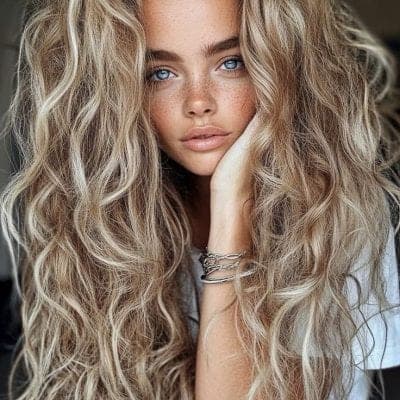
Gray blending techniques use highlights, lowlights, glosses, root shadows, and carefully selected tones to visually merge gray hair with the rest of your color. Instead of applying one opaque shade from roots to ends, your stylist builds dimension. Some pieces are brighter, some are deeper, and the gray becomes part of the overall movement in the hair.
This approach is especially flattering because gray hair has its own texture and light reflection. Fine silver strands can sparkle against a dimensional blonde, while salt-and-pepper hair can look rich and polished when it is paired with cool brunette lowlights or a soft, smoky gloss. The goal is not always to hide gray. It is to make the entire color look intentional.
It also changes the grow-out experience. With traditional single-process root coverage, the contrast between fresh color and new gray can be very obvious. Blended color diffuses that contrast, so the regrowth line is less demanding and appointments can often feel more flexible.
The Right Gray Blending Technique Depends on Your Starting Point
There is no one gray-blending formula for every head of hair. Your percentage of gray, natural base color, previous color history, hair condition, and desired maintenance level all shape the plan. A consultation is where the transformation starts.
Highlights for a Brighter, Softer Transition
Fine highlights are one of the most requested options for clients beginning to see gray or looking to blend scattered silver through blonde or light brown hair. The stylist places lighter pieces near the part and face frame, where gray tends to be most visible. Because highlights and gray reflect light in a similar way, they can visually melt together.
For a sun-kissed finish, balayage can be especially beautiful. Hand-painted brightness keeps the color soft at the root while creating a polished glow through the mid-lengths and ends. This is ideal for someone who loves lived-in blonde and does not want a harsh stripe as their hair grows.
The trade-off is that highlights do not fully cover gray. If your priority is complete, opaque root coverage, a different service may suit you better. But if you want a more relaxed grow-out with movement and brightness, they are often a standout choice.
Lowlights for Depth and Dimension
When hair has become very light, overly blonde, or predominantly gray, lowlights add needed contrast. These deeper ribbons break up a solid field of silver or blonde and bring back the visual depth that makes a color look expensive. Think soft taupe, mushroom brown, ash brunette, or beige tones rather than anything flat or overly dark.
Lowlights are particularly effective for salt-and-pepper transitions. They allow gray to remain visible while giving it a refined pattern, not a patchy appearance. The key is choosing tones that complement the gray’s natural temperature. A heavy, warm brown against cool silver can look disconnected, while a customized neutral or cool tone creates a more cohesive finish.
Root Smudges and Shadow Roots for a Softer Grow-Out
A root smudge, sometimes called a shadow root, gently blends a deeper tone from the base into highlighted or lighter lengths. It is not meant to create a dark band. It is a subtle transition that softens where natural gray, colored hair, and brightness meet.
This technique is a smart option for guests who love a bright blonde but want less obvious maintenance at the scalp. It can also help a dramatic blonde-to-gray transition feel more grounded and intentional. The formula needs to be carefully calibrated: too dark can mute the brightness, while too light may not offer enough definition.
Glosses for Shine, Tone, and Polish
A hair gloss is often the finishing touch that makes blended gray color look truly elevated. It can refine brassiness, cool unwanted yellow tones, add beige softness, or create a sheer veil of shine over silver. It does not offer the same coverage as permanent color, but it can make the entire look feel fresher and more uniform.
For gray hair that has begun to look dull or wiry, a gloss is a beautiful maintenance service between larger color appointments. It can also be a strategic first step for clients who are not ready for a major color change. Sometimes the most flattering adjustment is not more coverage. It is better tone, richer shine, and a haircut that supports the new texture.
Choosing Warm, Cool, or Neutral Tones
Gray is not one color. Some strands are bright white, others are pewter, and others carry a soft yellow cast. That is why a shade that looks gorgeous on one person can feel too ashy, too warm, or too dark on another.
Cool tones, including icy beige, pearl, silver, and ash, work beautifully when you want to enhance a crisp silver effect. They can be striking, but they usually require thoughtful at-home care to prevent yellowing. Warm and golden tones can soften gray and create a radiant, beachy result, especially on clients who prefer honey blonde, caramel, or warm brunette dimension.
Neutral tones are often the most versatile choice. They bridge warm and cool pieces without making the color feel overly icy or overly golden. Your skin tone, eye color, wardrobe, and how you want your hair to photograph all matter here. A customized gray blend should enhance your overall look, not follow a trend that fights it.
What to Expect at Your Color Appointment
A successful gray-blending appointment starts with an honest conversation about your goals. Bring photos if you have them, but also be ready to discuss what you do not want. Do you want gray to disappear, soften, sparkle, or become the feature? How often do you realistically want to visit the salon? Those answers guide the service more than a single inspiration photo ever could.
Your stylist will assess your natural regrowth, existing color, and porosity. Previously colored dark hair, box dye history, or uneven bands may require a more gradual approach. In some cases, achieving a seamless blend takes more than one appointment to protect hair health and keep the final tone beautiful.
The appointment may include partial or full highlights, lowlights, a root blend, toning, a gloss, and a precision haircut or blowout. The finished color should look dimensional from every angle, including the hairline and part where gray tends to show first.
Keeping Blended Gray Hair Looking Fresh
Blended color is lower maintenance than full root coverage, but it still deserves the right care. Use salon-quality shampoo and conditioner chosen for your tone and texture. If your gray or blonde starts to turn yellow, a purple shampoo may help, but overusing it can leave hair dry or overly violet. Your stylist can recommend how often it makes sense for your specific color.
Heat protection is nonnegotiable if you blow-dry, curl, or flat iron regularly. Gray hair can be naturally coarser or more resistant, and lightened pieces need extra care to stay shiny. A weekly moisturizing mask and occasional gloss appointment can keep the blend reflective and soft.
Most guests refresh a gloss or tone before they need another full color service. The ideal schedule depends on contrast, gray percentage, haircut shape, and how quickly your hair grows. The beauty of gray blending is that you are not chasing a perfect root line. You are maintaining a polished, dimensional look that still feels like you.
When Full Gray Coverage May Be the Better Choice
Gray blending is not the only beautiful option. If you love a rich brunette, deep red, or consistent blonde from root to end, traditional root coverage may better match your style. It is also a strong choice for anyone who wants little to no gray visible at the scalp.
The difference comes down to maintenance and finish. Full coverage offers a more uniform result but typically creates a clearer regrowth line. Gray blending offers softness and flexibility but intentionally leaves some variation. Neither is more correct. The best color is the one that fits your confidence, your lifestyle, and the amount of time you want to spend in the salon chair.
Your gray can be covered, softened, brightened, or turned into your favorite feature. Choose a color plan that makes every new strand feel less like a surprise and more like part of your signature look.