

You want glossy, smoother, easier-to-style hair – not a treatment that leaves your strands dry, flat, or fragile a few weeks later. That is why so many clients ask the same question before booking: does keratin damage hair? The honest answer is not a simple yes or no. Keratin treatments can make hair look healthier and feel dramatically smoother, but the result depends on the formula, the condition of your hair, and how the service is performed.
For some people, keratin is a game-changer. It cuts down frizz, speeds up styling, and gives the hair a polished finish that holds up in real life, especially in humid South Florida weather. For others, the wrong treatment or too much heat during the service can lead to dryness, breakage, or a texture that feels weaker over time. The real question is not just whether keratin can damage hair. It is whether your hair is a good candidate, and whether the treatment is being done with the right technique.
Does keratin damage hair or protect it?
Keratin itself is not the villain. Hair is made largely of keratin protein, so the idea behind the treatment is to smooth and coat the cuticle, helping hair appear shinier and more controlled. When done well, a keratin service can reduce puffiness, soften coarse texture, and make daily styling much easier.
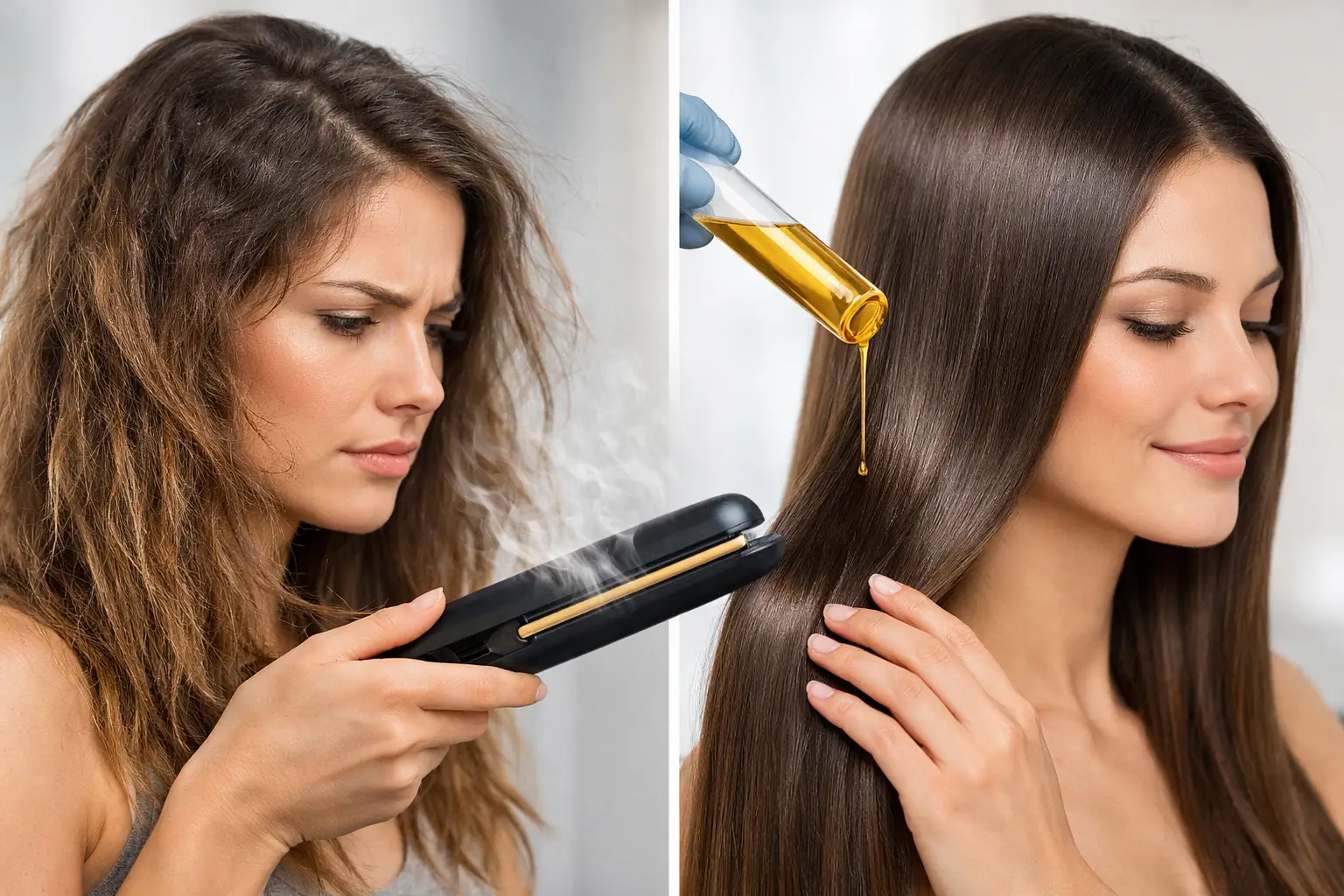
Where things get complicated is the process. Most smoothing treatments rely on a formula plus heat to create the sleek result clients love. If hair is already overprocessed from bleach, highlights, color correction, or frequent hot tool use, adding another intensive service can push it past its comfort zone. In that case, the treatment does not create the damage by itself – it exposes how compromised the hair already was, or adds more stress than the hair can handle.
That is why professional evaluation matters. Hair that looks healthy in photos can still have weak elasticity, porous ends, or hidden breakage. A great stylist looks past the shine and checks what your hair can realistically tolerate.
What can actually cause damage during a keratin treatment?
The biggest risk factors are not mysterious. They usually come down to formula choice, heat level, and hair history.
If the flat iron temperature is too high for your hair type, the cuticle can scorch instead of smooth. Fine hair, lightened hair, and extension hair usually need a more careful approach than thick, resistant, virgin hair. One-size-fits-all heat is where a lot of problems start.
Product selection matters too. Not every smoothing treatment is the same, even if clients group them all under the word keratin. Some formulas are stronger, some are gentler, and some are better for frizz control than for pin-straight results. Choosing a treatment that matches your goals is part of protecting your hair.
Then there is timing. If you just had a heavy blonding session, a major color correction, or multiple chemical services close together, your hair may need recovery time before adding keratin. Chasing every transformation at once can leave the hair looking sleek for the moment but weaker in the long run.
Who is most likely to have a good result?
Keratin tends to work beautifully for clients with frizz-prone, puffy, coarse, or hard-to-manage hair who still want movement and shine. It can also be a great fit for color-treated hair that feels unruly but is still structurally strong. The right treatment can make blowouts faster, reduce daily heat styling, and help the hair hold a more polished shape.
This is especially appealing in humid climates where smooth hair can feel impossible to maintain. A properly chosen smoothing service can give you that fresh-from-the-salon finish with far less effort at home.
Clients who usually love keratin are not always looking for bone-straight hair. Many want softer texture, less bulk, more shine, and easier styling. That distinction matters because the best result often comes from customizing the finish instead of forcing every head of hair into the same look.
Who should be cautious?
If your hair is heavily bleached, severely overprocessed, shedding excessively, or snapping at the ends, caution is smart. The same goes for hair that already feels mushy when wet, stretches too much, or refuses to hold strength after conditioning. Those are signs that the hair may need repair, trimming, and a gentler strategy before any smoothing service.
Fine hair also deserves a tailored conversation. Keratin can be amazing for taming frizz, but on some fine textures, an overly strong formula can make hair feel too flat or reduce body more than expected. That is not necessarily damage, but it can feel disappointing if volume is part of your signature look.
Hair extensions are another area where experience matters. The treatment may be possible, but the formula and placement have to be chosen carefully to protect both your natural hair and the extensions.
Does keratin damage hair more than Brazilian blowout-style services?
Clients often compare these services as if one is universally safe and the other is universally harsh. In reality, it depends on the brand, the technique, and the goal. Some keratin treatments are designed to soften and smooth while keeping more natural body. Some Brazilian blowout-style services focus on a glossier, humidity-resistant finish with flexible styling.
What matters most is not the label. It is how your stylist assesses your hair and matches the service to it. A beautifully performed smoothing treatment can leave hair looking healthier than before because the cuticle is more controlled and styling stress is reduced. A poorly matched service can do the opposite.
This is why consultation is everything. If your stylist asks about your color history, your daily styling routine, your desired finish, and how your hair behaves in humidity, that is a good sign. Personalized beauty always wins over cookie-cutter chemistry.
How to lower the risk of keratin damage
If you are considering a smoothing treatment, the safest move is to treat it like a customized salon service, not a quick fix. Be honest about your full hair history, including bleach, box color, previous keratin, relaxers, perms, and extensions. Even details from months ago can affect the outcome.
Aftercare matters just as much as the appointment itself. Using the wrong shampoo, overusing hot tools, or skipping hydration can shorten the life of the treatment and leave hair feeling rough. Smooth hair still needs moisture, trims, and smart styling habits.
Spacing your chemical services also helps. If you love highlights, glosses, and smoothing treatments, the order and timing should be planned with the health of your hair in mind. Great hair transformations are not about doing everything at once. They are about doing the right things in the right sequence.
What healthy expectations look like
A keratin treatment should make your hair easier to live with. It should not leave you terrified to brush it, shocked by sudden breakage, or wondering why your ends feel fried. Done correctly, the hair should feel smoother, look shinier, and require less daily effort.
At the same time, keratin is not a repair miracle. It can improve the appearance and manageability of damaged hair, but it does not erase split ends or rebuild severely compromised strands forever. If your hair needs a cut, a strengthening plan, or a break from chemical stress, no smoothing service can outshine that reality.
That is where real salon expertise makes the difference. The best result is not just sleek hair on day one. It is hair that still looks beautiful weeks later, still moves, still feels touchable, and still supports your next color or styling goal.
At Pier Blondie, the most flattering hair is never about forcing a trend. It is about creating a polished, confidence-boosting result that fits your texture, your routine, and your hair goals.
So, does keratin damage hair? It can, if the hair is already fragile, the formula is wrong, or the process is too aggressive. But in the right hands, for the right candidate, it can be one of the best ways to smooth frizz, elevate shine, and make everyday styling feel effortless. If you are considering it, start with a professional consultation and let your hair tell the truth before the flat iron ever turns on.