
A harsh root line can make even a beautiful color feel like it needs attention too soon. This gray blending guide is for anyone ready to make peace with silver strands without giving up a polished, dimensional look. Rather than covering every gray hair with one solid shade, gray blending uses thoughtfully placed color and lighter pieces to soften the contrast between your natural regrowth and your existing color.
For many clients, the goal is not to look dramatically different. It is to look intentional, fresh, and confident from every angle – whether your hair is pulled back for a beach day in Delray or styled for a night out.
What Gray Blending Actually Does
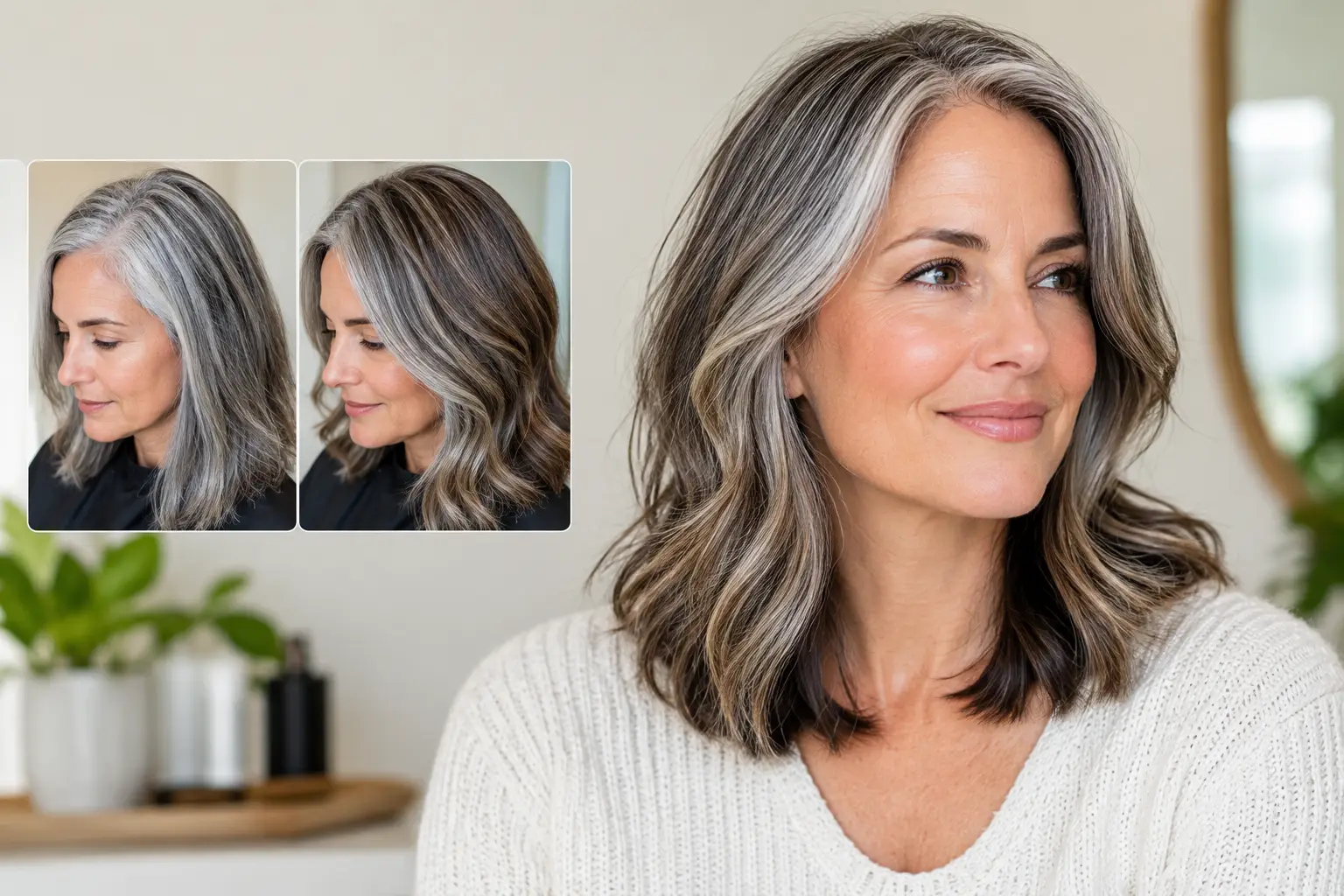
Gray blending is a customized color approach that works with your gray rather than fighting it at every appointment. Your stylist combines techniques such as highlights, lowlights, balayage, root melting, glossing, and strategically placed brightness to blur the line between gray regrowth and colored hair.
Traditional root coverage is designed to conceal gray as completely as possible. Gray blending creates a softer transition instead. That difference matters. When the hair grows, the regrowth is less obvious because there is no sharp divide between a solid root color and the silver coming through.
The finished look can be bright and blonde, rich and brunette, softly sun-kissed, or cool and silvery. It depends on your natural base, the amount and pattern of gray, your previous color history, and how often you want to visit the salon. A great blend should still feel like you, just more elevated.
Gray Blending Guide: Choose Your Best Look
There is no single formula for blending gray beautifully. The right technique should complement your complexion, lifestyle, haircut, and personal style – not simply follow a color trend.
For blondes and lighter hair
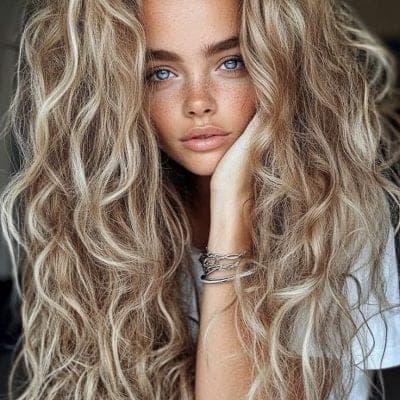
Highlights are often one of the easiest ways to blend gray into naturally blonde or light brown hair. Fine, woven highlights can mimic the brightness of silver strands, while a gloss adds shine and refines unwanted yellow or dull tones. If you already wear balayage, your stylist may adjust the placement around the part line, hairline, and crown where gray is most visible.
The trade-off is that an overly bright result can make the hair appear flat or washed out, especially when every strand is pushed toward platinum. A few soft lowlights or a neutral root melt can bring back depth and make the gray look naturally integrated rather than accidental.
For brunettes and darker hair
Dark hair creates more contrast when gray arrives, which is why a solid, dark root touch-up can sometimes make regrowth seem even more noticeable. A dimensional brunette approach often includes fine highlights in caramel, beige, cool mocha, or soft ash tones, along with lowlights that preserve richness through the mid-lengths and ends.
For some brunettes, gray blending means gradually moving away from an almost-black permanent color toward a softer medium brown. This can reduce the contrast at the root and create a more flattering, modern finish. It is a process, particularly if your hair has years of dark box dye or permanent salon color, but the payoff is a softer grow-out and more natural movement.
For clients with substantial silver
When gray is already a major part of your natural pattern, embracing it can be incredibly chic. Your stylist may add lowlights to create dimension, brighten selected areas to enhance the silver, and use a toner or gloss to keep the overall tone refined. The goal is not to turn every gray strand icy white. It is to create a polished mix of silver, pearl, smoke, and your natural depth.
This option can be lower maintenance than full coverage, but it still benefits from professional toning. Silver hair can absorb minerals, turn yellow from heat styling, or look dull without the right care.
Why Placement Matters More Than a Single Formula
The most visible gray often appears around the face, along the part, and at the crown. These are the areas that deserve the most strategic attention. Fine highlights around the hairline can break up a strong band of gray, while a soft root shadow may diffuse the line at the part without making your color look heavy.
Placement also changes based on how you wear your hair. If you usually wear a center part, the blend needs to look beautiful there. If you frequently pull your hair into a ponytail or bun, your stylist should consider the nape, temples, and underneath sections that become exposed. This is why gray blending works best as a personalized salon service, not a one-size-fits-all color appointment.
Your haircut matters, too. Layers, movement, and a polished blowout show off dimension beautifully. A sleek, blunt cut can look striking with blended gray, but it may reveal color lines more clearly if the formula or placement is too solid.
Your Appointment May Be a Process
If you have been covering gray with permanent color for years, your first gray-blending appointment may not be the final destination. Previously colored hair often needs time to shift lighter, soften, or release artificial pigment without compromising its condition.
A colorist may begin by breaking up the old solid color with highlights, then add a gloss and carefully chosen lowlights for balance. At later appointments, more brightness can be introduced as your hair responds. This approach protects the integrity of your hair while building a result that feels expensive, luminous, and believable.
Bring a few inspiration photos, but stay open to a customized recommendation. A photo may show a beautiful silver blend on someone with a completely different natural base, density, or gray pattern. The best inspiration is useful for communicating mood – warm, cool, soft, bold, natural, bright – rather than demanding an identical formula.
How to Maintain Blended Gray Between Visits
Gray blending is known for a more forgiving grow-out, not for being maintenance-free. The right home routine keeps the color reflective and the texture healthy so the dimension remains visible.
Use color-safe shampoo and conditioner, then add a purple or blue-toning product only when needed. Overusing toning shampoo can leave some hair looking dull, overly cool, or slightly lavender. Your stylist can recommend the right frequency based on whether your blend leans blonde, brunette, silver, or warm.
Heat protection is essential, especially if your hair is lightened. Blow-drying, curling, flat ironing, and South Florida sun exposure can pull unwanted warmth into highlighted pieces and dry out the ends. A nourishing mask and professional gloss appointments can restore shine between larger color services.
Most clients appreciate that gray blending can stretch the time between major color appointments. Some prefer a refresh every six to eight weeks with a gloss or face-framing touch-up, while others can go longer with highlights placed for a softer grow-out. Your ideal schedule depends on how much gray you have, how quickly your hair grows, and how polished you want your color to look day to day.
Is Gray Blending Right for You?
Gray blending is a beautiful choice if you want less of a hard regrowth line, more dimension, and a color plan that evolves with you. It is especially appealing if you are tired of frequent all-over root coverage but are not ready to go fully natural or fully gray.
It may not be the best fit if you love the look of complete, opaque root coverage and want every silver strand hidden at all times. That is a valid preference. Beauty should feel personal, and the right color service is the one that supports your confidence and your lifestyle.
At Pier Blondie, gray blending is approached as a transformation in tone, placement, and maintenance – not a quick fix. A professional consultation can map out the right path for your current color, your future goals, and the finish you want to see in the mirror. Your gray does not have to dictate your look; with the right blend, it can become one of the most beautiful dimensions in it.