
Full, glossy, camera-ready hair has a different kind of presence. A well-done sew-in can add length, density, and styling freedom while still moving like your own hair. This guide to sew in extensions explains what creates that elevated result, from choosing the right hair to protecting the natural hair underneath.
Sew-in extensions are not a one-size-fits-all transformation. The best look is built around your texture, lifestyle, desired fullness, and the health of your natural hair. Whether you want subtle volume for everyday polish or long, dimensional hair that makes an entrance, thoughtful planning is what keeps extensions looking luxurious rather than obvious.
What Are Sew-In Extensions?
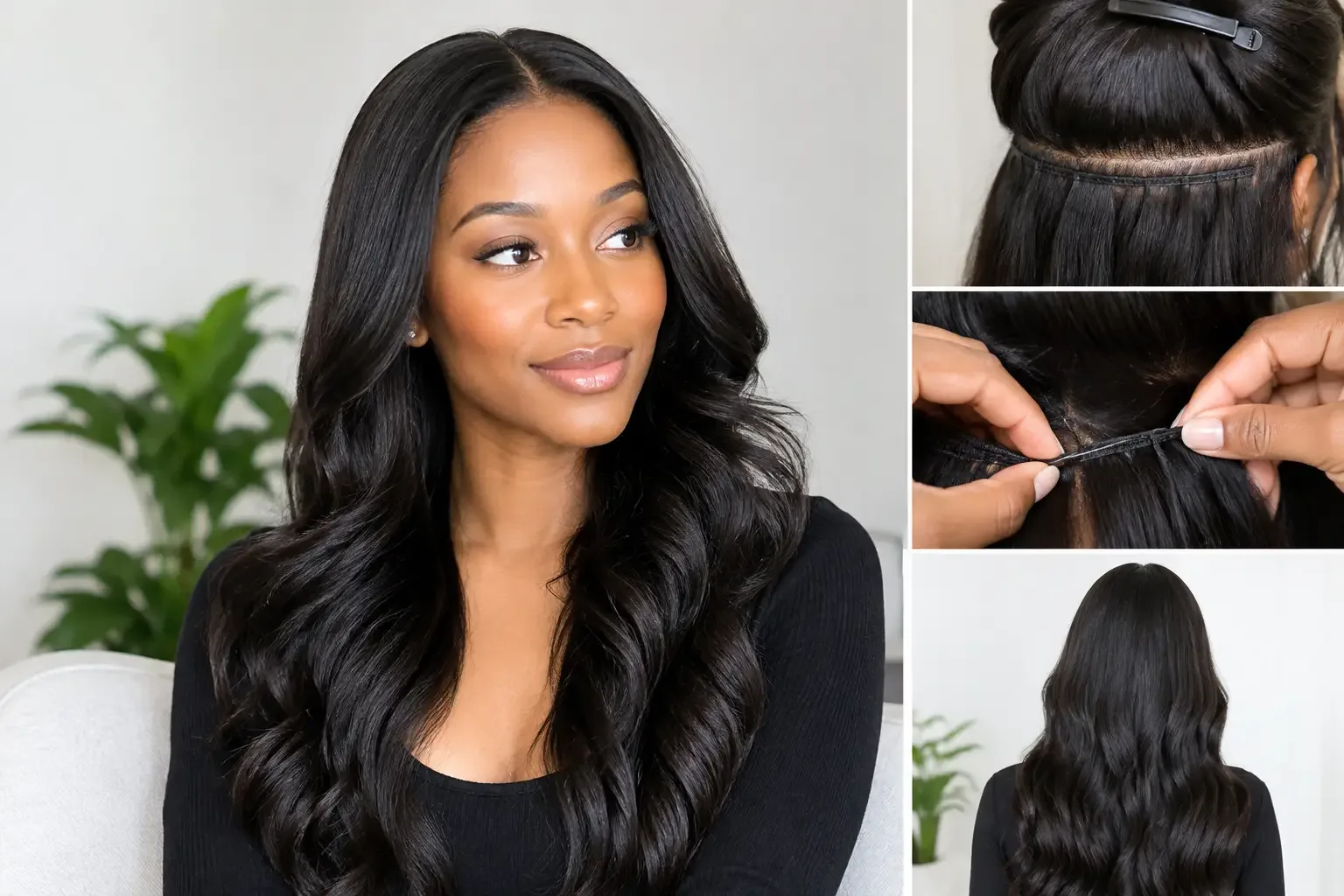
A sew-in extension service, often called a weave, begins with the natural hair being braided into a secure foundation. Wefts of extension hair are then sewn onto those braids with professional thread and a curved needle. Depending on the desired look, some natural hair may be left out around the perimeter or part for coverage and blending.
This method is loved for its staying power and its ability to create serious fullness. Unlike clip-ins that come out at the end of the day, sew-ins are designed to remain in place for several weeks with the right maintenance. They can also be styled in waves, curls, sleek blowouts, ponytails, and updos when the installation and hair quality support it.
The trade-off is commitment. A sew-in needs proper tension, regular cleansing, and timely removal. It is a protective style only when it is installed and maintained with your hair health in mind.
Choosing Hair That Delivers a Polished Finish
Extension hair determines much of the final result. Human hair is generally the preferred choice for a natural feel, more flexible heat styling, and a finish that can blend with professional color and styling. The cuticle direction, density, and texture all affect how the hair wears over time.
Texture deserves special attention. Silky-straight extensions paired with naturally textured or curly leave-out can create a disconnect before you even leave the salon. Choose an extension texture that closely matches your natural pattern or the finished style you plan to wear most often. Body wave is versatile for clients who love a soft blowout, while curly textures can create beautiful volume with less daily heat styling.
Length and bundle count should reflect your starting point and your goal. Fine hair may need a lighter installation for comfortable wear, while a dramatic, full look may require more hair. Longer extensions also need enough density through the ends. Thin, stringy length can take away from an otherwise beautiful transformation.
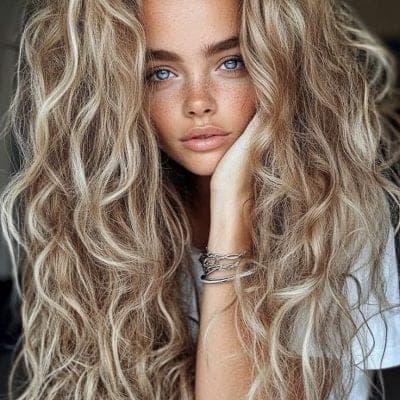
Color matching is equally important. A single flat shade is not always the answer, especially for balayage, highlighted blondes, rich brunettes, or dimensional red tones. Custom color work can help extensions melt into the hair so the finished look feels intentional from root to end.
A Guide to Sew In Extensions Starts With Healthy Hair
Extensions should enhance your hair journey, not cover up a scalp or breakage concern that needs attention first. Before installation, the hair and scalp should be assessed for excessive shedding, irritation, significant thinning, or fragile areas around the hairline. If the scalp is tender or the hair is compromised from heavy color processing, a lighter extension option or a restorative service may be the better choice for now.
Arrive with clean, detangled hair unless your stylist gives you different preparation instructions. Product buildup can make the foundation less comfortable and can interfere with a clean scalp. A clarifying cleanse followed by hydration is often a smart starting point, particularly if you regularly use dry shampoo, oils, styling creams, or hairspray.
Be transparent about your routine. Do you work out often, spend weekends in South Florida humidity, wear your hair up for work, or prefer wash-and-go texture? These details help determine the braid pattern, leave-out placement, extension texture, and at-home care plan that will actually work for you.
The foundation should feel secure, never painful
Braids must be neat and stable enough to support the wefts, but tightness is not a sign of quality. A sew-in that causes headaches, sharp pulling, bumps, or scalp soreness is too tight. Tension around the edges is especially risky because the hairline is delicate.
Speak up immediately if the install feels uncomfortable. Do not wait for the pain to “settle.” Your extension service should feel secure and polished, not like a test of endurance.
The Installation Details That Create Natural Movement
An experienced stylist customizes the braid pattern around the finished style. A center part, side part, high ponytail, or full coverage installation each require a different approach. This is why a consultation matters: the style you wear most should guide the construction underneath.
Wefts should lie flat, be placed with balanced density, and be sewn securely without excess bulk near the top. The goal is an installation that disappears when the hair moves. When the rows are too visible, too close together, or too heavy for the natural hair, the result can look bulky and feel uncomfortable.
Leave-out is one option for blending, but it does require heat and moisture management to keep your natural hair consistent with the extensions. A closure or frontal can offer more coverage and reduce daily heat on your own strands. Neither choice is automatically better. It depends on your hair health, preferred part, styling habits, and how much maintenance you want to take on between salon visits.
At Pier Blondie, the focus is on extensions that complement your color, face shape, and personal style, so your transformation feels like your best hair rather than someone else’s look.
How to Care for Sew-In Extensions at Home
A beautiful install stays beautiful through the routine that follows. Treat both the extension hair and your scalp with care. Extensions may not receive natural scalp oils the same way your own hair does, so the mid-lengths and ends often need lightweight moisture. At the same time, heavy oils and product buildup around the base can make the scalp feel congested.
Wash your sew-in on a schedule that suits your scalp, often every one to two weeks. Focus shampoo on the scalp and between the tracks, using the pads of your fingertips instead of your nails. Rinse thoroughly, then condition the lengths without loading thick conditioner directly onto the braids or thread.
Drying is nonnegotiable. Never leave the braided foundation damp for long periods, especially in humid weather. Use a hooded dryer or carefully dry the roots and tracks with a blow dryer on a comfortable setting. A damp foundation can lead to odor, irritation, and unnecessary scalp issues.
At night, gently detangle the ends and wrap the hair in a silk or satin scarf, bonnet, or pillowcase. This helps preserve shine, reduce friction, and keep your style smoother between appointments. If you sleep in a loose ponytail or braid, make sure it is soft and never pulling at the edges.
For heat styling, always use a heat protectant and keep the temperature reasonable. Extension hair can look amazing with a sleek press or glamorous curls, but repeated high heat can dry it out just like natural hair. If your leave-out is part of the look, use heat thoughtfully and keep its texture aligned with the extensions.
Know When It Is Time for Maintenance or Removal
Most sew-ins are worn for roughly six to eight weeks, although the right timing varies by braid growth, scalp condition, hair texture, and maintenance. Pushing an installation too long can lead to matting at the roots, tangling, and stress on the natural hair.
Schedule removal if you notice persistent itching, excessive tightness, unusual shedding, loose tracks, or significant buildup that is not improving with proper cleansing. Removal should be careful and unhurried. The thread needs to be cut without cutting your natural hair, followed by detangling, cleansing, and conditioning before considering another installation.
Give your hair an honest reset between services when it needs one. A trim, strengthening treatment, gloss, or smoothing service may be the right next step before your next extension appointment. Healthy natural hair creates the strongest foundation for every future transformation.
The right sew-in should give you more than extra inches. It should make getting ready feel exciting, hold up beautifully through your real life, and leave your natural hair respected underneath. Bring your inspiration photos, share how you want to feel, and let a personalized consultation turn that vision into hair worth showing off.