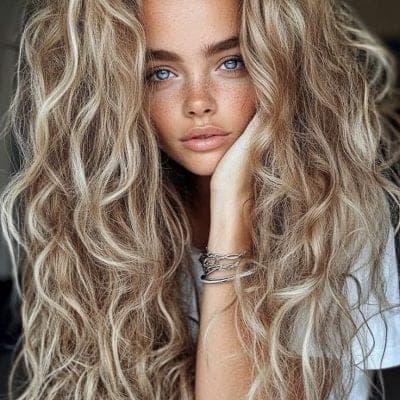

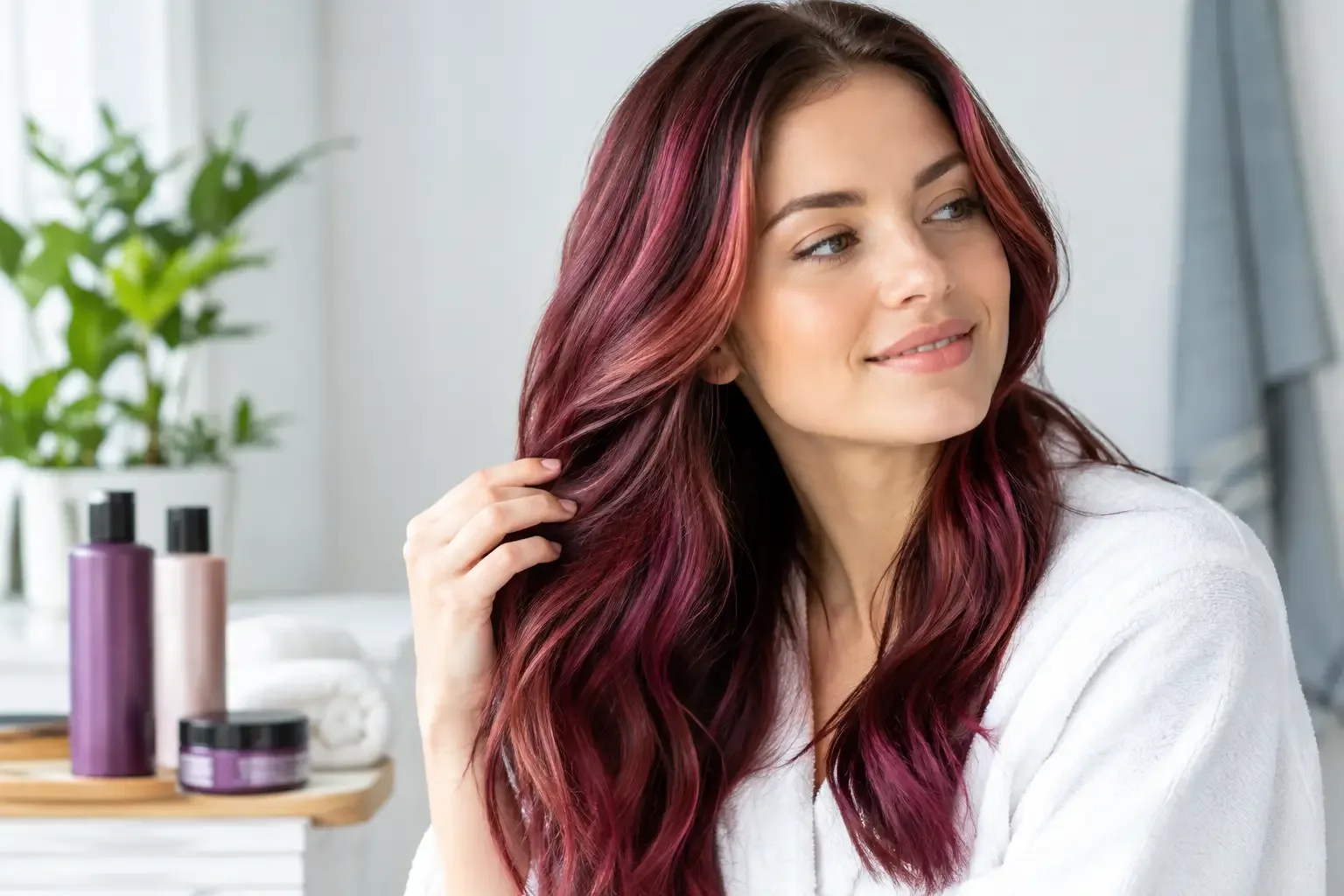
That bright, expensive-looking color you leave the salon with is not meant to disappear after a few washes. Whether you love lived-in balayage, icy blonde highlights, rich brunette dimension, or a bold all-over shade, protecting your color at home is what keeps the transformation looking polished between appointments.
Learning how to protect colored hair comes down to a few smart habits: wash less aggressively, use heat with intention, defend against South Florida sun and water, and give your hair the moisture it needs without weighing it down. Your exact routine depends on your color, texture, and styling habits, but color care should always feel as customized as the service itself.
Start With a Color-Safe Wash Routine
Freshly colored hair has a more delicate outer cuticle layer, especially after lightening, highlights, balayage, or a major color change. Harsh cleansing can lift that cuticle, allowing color molecules to slip out faster and leaving hair duller, drier, or brassier than you want.
Choose a sulfate-free shampoo formulated for color-treated hair. Sulfates are strong detergents that can be useful for removing heavy buildup, but daily use may strip away moisture and accelerate fading. A gentler formula cleans without turning every wash day into a color reset.
You do not need to shampoo every day to have clean hair. For many people, two or three wash days per week is enough, especially when dry shampoo, a polished blowout, or an effortless updo can extend your style. If your scalp gets oily quickly, focus shampoo at the roots and let the lather rinse through the lengths rather than scrubbing your color-treated ends.
Temperature matters, too. Hot water feels relaxing, but it can roughen the hair cuticle and make color look less reflective. Wash with lukewarm water, then finish with a cooler rinse if you can. It is a small switch that helps your hair hold onto its glossy, salon-fresh finish.
Match Your Shampoo to Your Shade
Blondes, silver tones, and cool brunettes may benefit from a purple or blue-toned shampoo when brassiness begins to show. Use it strategically, not automatically at every wash. Overusing pigmented shampoo can leave very porous hair looking too smoky, lavender, or dull.
Red, copper, and fashion shades usually fade fastest because their pigment molecules are larger and release more easily. A color-depositing conditioner or gloss recommended for your specific tone can refresh the look between salon visits. For dimensional brunettes and balayage, shine and moisture are often more valuable than heavy pigment, since healthy hair reflects light and makes every ribbon of color stand out.
Protect Colored Hair From Heat, Sun, and Humidity
A sleek blowout, beach waves, and a smooth finish can make color look even more luxurious. The trade-off is heat exposure. Flat irons, curling irons, and high-temperature blow dryers can dehydrate already processed hair, making it more prone to breakage and dullness.
Always apply a heat protectant before blow-drying or using hot tools. Work it through damp hair for a blowout, and use a lightweight dry thermal protectant before touching up with an iron. Keep your tools at the lowest effective setting. Fine, highlighted, or heavily lightened hair generally needs less heat than thick, resistant, or coarse hair.
Florida sunshine deserves the same respect as a hot styling tool. UV exposure can fade color, pull warmth through blonde and brunette tones, and make hair feel dry at the ends. If you will be outside for hours, wear a hat or use a UV-protective leave-in product. This is especially helpful before beach days, pool afternoons, outdoor workouts, and boat days.
Humidity does not necessarily fade color, but it can make dry or porous hair frizz, which hides shine and makes the color look less refined. A smoothing cream, light hair oil, or anti-humidity styling product can help create that glassy finish without making your roots look flat.
Be Smart About Pool, Ocean, and Hard Water Exposure
Chlorine, salt water, and mineral-heavy water can all change the way colored hair looks and feels. Chlorine is particularly challenging for lightened hair, where it can create dryness and, in some cases, an unwanted greenish cast. Salt water pulls moisture from the hair, and hard water minerals can leave buildup that makes color look muted or brassy.
Before getting into a pool or ocean, saturate your hair with clean water and apply a leave-in conditioner. Hair absorbs less pool or salt water when it is already wet with fresh water. Pull it into a loose braid or bun to reduce tangling, then rinse thoroughly as soon as you are done swimming.
If your hair feels coated, dull, unusually dry, or harder to style, mineral buildup could be part of the issue. A clarifying or chelating treatment can help, but it should not become a weekly habit for color-treated hair. These formulas are powerful. Use them when you need a reset, then follow with a rich conditioning treatment and ask your stylist which option fits your color service.
Treat Moisture Like Part of Your Color Service
Color longevity is not only about preventing pigment loss. It is also about keeping the hair fiber healthy enough to hold color beautifully. When hair is dry, rough, or overprocessed, it scatters light instead of reflecting it. The result can make even a fresh color look flat.
Use a moisturizing mask once a week, concentrating on mid-lengths and ends. If your hair has been lightened, you may also need occasional bond-building care to support strength and reduce breakage. Moisture and protein are not interchangeable, though. Too much protein can make some hair feel stiff, while too much moisture can make finer textures feel limp. Your best balance depends on your hair’s current condition.
A leave-in conditioner is another easy win, particularly for extensions, long hair, textured hair, or hair that is exposed to sun and heat often. Apply a small amount from the mid-lengths down, then add a drop of lightweight oil to dry ends when needed. The goal is touchable softness and shine, not a coated finish.
Do Not Skip Regular Trims and Glosses
Split ends travel upward, making the lengths look thinner and more uneven. Regular trims keep your haircut intentional and help your color look clean from root to end. They are especially useful after a lightening service or when you frequently heat style.
A professional hair gloss can revive shine, enhance tone, soften brassiness, and make faded color look refreshed without committing to a major change. For clients who love expensive-looking brunette, bright blonde, rich copper, or luminous balayage, a gloss appointment can be the detail that keeps the entire look feeling elevated.
Know When At-Home Care Is Not Enough
Home care can preserve beautiful color, but it cannot replace a personalized color plan. If your blonde is turning yellow, your brunette is going orange, your red is fading unevenly, or your roots are starting to distract from the overall look, it is time for professional support rather than an impulsive box dye.
At Pier Blondie, customized color, highlights, balayage, root touch-ups, and gloss services are designed around your hair history, your lifestyle, and the finish you want to see in the mirror. A stylist can adjust tone while protecting the integrity of your hair, which matters far more than chasing a quick fix at home.
Keep your favorite color looking like a choice, not a memory: give it gentle cleansing, thoughtful heat protection, extra moisture, and the professional refresh it deserves when the shine starts to fade.