

A few silver strands at the hairline can feel like a detail. Then one day, they seem to show up everywhere – around the part, through the crown, and right where your favorite style catches the light. The best ways to cover gray are not one-size-fits-all. The right choice depends on how much gray you have, how often you want salon maintenance, your natural base color, and whether you want full coverage or a softer, blended effect.
At Pier Blondie, gray coverage is treated as a color transformation, not a routine box to check. From polished root touch-ups to dimensional highlights that make gray look intentional, the goal is hair that looks fresh, flattering, and completely yours.
1. Root Touch-Ups for Classic, Reliable Gray Coverage
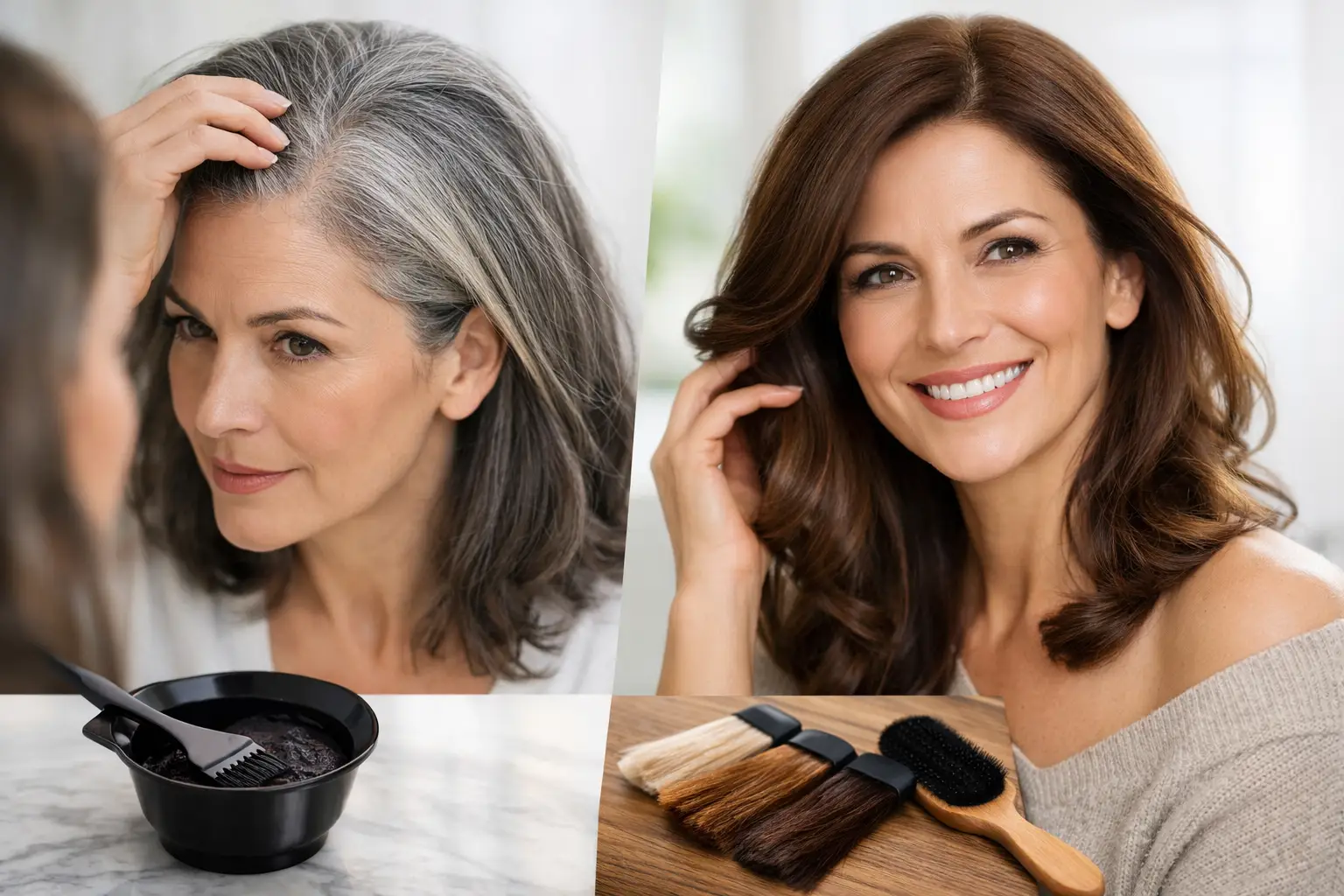
A root touch-up is the go-to choice when you love your current color and want your gray to disappear with a clean, consistent finish. Color is applied precisely at the regrowth area, covering new silver strands while preserving the color through your lengths and ends.
This option is especially effective for clients with concentrated gray at the temples, hairline, or part. It gives the most opaque result and works beautifully for brunettes, redheads, and darker blondes who prefer a rich, even-looking color from root to end.
The trade-off is maintenance. Most root touch-up appointments fall every four to six weeks, depending on how quickly your hair grows and how much contrast there is between your natural gray and your chosen shade. If your goal is a polished, high-coverage look, that regular rhythm is worth it.
Make the Color Look More Dimensional
A root touch-up does not have to mean flat color. Adding a gloss through the mid-lengths and ends can refresh faded tones, boost shine, and make the entire result look more expensive. A few fine highlights can also soften the line between the touched-up root and older color, especially when you are growing out previous highlights or balayage.
2. Highlights and Lowlights for Soft Gray Blending
If you are not interested in chasing every root, highlights are one of the best ways to cover gray with less obvious grow-out. Instead of masking every silver strand, strategically placed light pieces help gray visually blend into the overall color pattern.
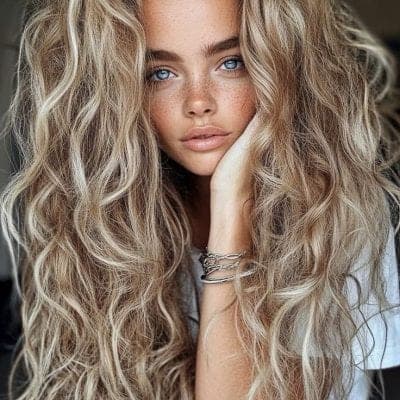
This approach is especially stunning on blondes and clients who are naturally going lighter over time. Fine highlights around the face, through the part, and across the crown can make scattered gray look like part of a bright, dimensional blonde. The regrowth tends to be much softer than a single-process color, so you may be able to stretch appointments further.
Lowlights bring the opposite effect. These deeper ribbons add contrast and depth when hair has become overly light, washed out, or heavily highlighted. For many clients, the most flattering gray-blending formula combines highlights, lowlights, and a toner or gloss. The result has movement, shine, and a more natural finish than one solid shade.
3. Balayage for a Modern, Lower-Maintenance Look
Balayage is not designed to provide full gray coverage at the root, but it can be a beautiful answer for clients who want to blend gray while keeping their color light, effortless, and modern. Hand-painted brightness creates a gradual transition from the root area into lighter lengths, reducing harsh lines as new growth appears.
For clients with a small to moderate amount of gray, balayage can make the entire color story feel more intentional. A soft root melt or root shadow can be added to create depth near the scalp, while brighter pieces around the face give that sunlit, confidence-boosting finish.
Balayage is ideal if you would rather see a soft grow-out than a clear line of gray regrowth every month. It is less ideal if you have dense, resistant gray and want every strand fully concealed. In that case, a root color paired with balayage may offer the best of both worlds: dependable coverage where you need it and luminous dimension everywhere else.
4. Gray Blending When You Want Less Commitment
Gray blending is about working with the gray instead of fighting it. The color is formulated to soften the contrast between your natural silver and your existing color, creating a diffused, lived-in result rather than solid, opaque coverage.
This can be a smart choice if you are beginning to transition away from frequent all-over color, if you have grown tired of a visible root line, or if your gray has a beautiful pattern you do not want to erase entirely. It is also an elevated option for clients who want a more natural-looking color change as they age.
The exact technique can include fine highlights, lowlights, demi-permanent color, glossing, or a carefully selected root shade. Your stylist will consider the percentage and placement of your gray, as well as your skin tone and the tones you wear most often. The best gray blend should look intentional from every angle, not like color that has simply faded out.
5. Demi-Permanent Color for a Softer Finish
Demi-permanent color is a gentler, lower-commitment option that can blend gray rather than fully cover it. It gradually fades over time and often leaves the hair looking glossy, toned, and more natural than a highly opaque permanent formula.
For early gray, scattered silver strands, or clients who want to experiment with a new shade, this can be a beautiful place to start. It also works well as a refresh between larger color appointments, particularly when paired with a gloss to revive shine and tone.
Keep expectations realistic. Demi-permanent color generally will not cover resistant gray as completely as permanent color, particularly along the hairline. But if a softer, translucent result is your goal, that is exactly its advantage. It lets some dimension show through instead of creating a dense, uniform finish.
6. Hair Gloss for Shine, Tone, and a Fresher Look
A hair gloss does not replace true gray coverage, but it plays an important supporting role. Glossing services refine unwanted warmth, add richness to brunettes, brighten blondes, and give the hair a reflective finish that makes color look newly done.
When gray hairs are wiry or dull, a gloss can help them blend more gracefully with the rest of your hair. It is also the finishing touch that keeps highlights, balayage, and color-treated lengths looking polished between appointments. Think of it as the difference between color that is simply present and color that looks radiant.
For a more complete result, a gloss may be paired with a root touch-up, gray blending, or highlights. It is a fast way to refresh your overall look before a vacation, special event, photos, or any moment when you want your hair to look especially polished.
7. Temporary Root Concealers for Last-Minute Coverage
Root sprays, powders, and touch-up sticks are useful for the days between salon appointments when your part is showing more silver than you would like. They are quick, easy to apply, and especially helpful for a last-minute dinner, work event, or weekend plans.
These products do not replace professional color and should be applied lightly to avoid buildup or transfer. Choose a shade close to your current root color, apply it to dry hair, and focus on the part and hairline rather than coating the whole scalp. A light hand gives the most natural effect.
Temporary coverage is also helpful if you are deciding which long-term color direction feels right. You can buy yourself a little time without committing to a formula before your next salon consultation.
How to Choose the Right Gray Coverage Plan
Start with the result you want to see in the mirror. If you want gray gone, consistent root touch-ups with a gloss are usually the strongest choice. If you want soft regrowth and more time between visits, highlights, balayage, or intentional gray blending may be a better fit. If you are somewhere in between, a customized mix of root color and dimensional lightening can create the most natural, high-impact result.
Your hair history matters, too. Previous box color, lightened ends, smoothing treatments, extensions, and overall hair condition all influence what can be achieved in one appointment. A professional color consultation makes room for the details: how quickly your gray grows in, whether it is resistant, how much maintenance feels realistic, and which tones make you feel most like yourself.
Gray hair does not have to set the rules for your look. Whether you choose seamless coverage, soft silver blending, or a bright new dimensional color, the most flattering option is the one that fits your lifestyle and makes you feel ready for whatever is next.