

A few silver strands can look chic. A noticeable gray grow-out right before brunch, a wedding, or an important meeting can feel like it is stealing the spotlight. So, can hair gloss cover gray? Sometimes, yes – but the result depends on how much gray you have, your natural base color, and the finish you want.
A salon hair gloss is a beautiful choice when your goal is softer blending, radiant shine, and a refreshed color that looks polished rather than overdone. It is not a one-size-fits-all substitute for permanent root color, especially when gray coverage is your top priority. The right service starts with an honest look at your hair and a customized color plan.
What a Hair Gloss Does for Gray Hair
Hair gloss is a demi-permanent color service that enhances tone, adds dimension, and gives the hair a reflective, healthy-looking finish. It can neutralize unwanted warmth, enrich faded brunette shades, brighten blondes, and make color look freshly finished after highlights or balayage.
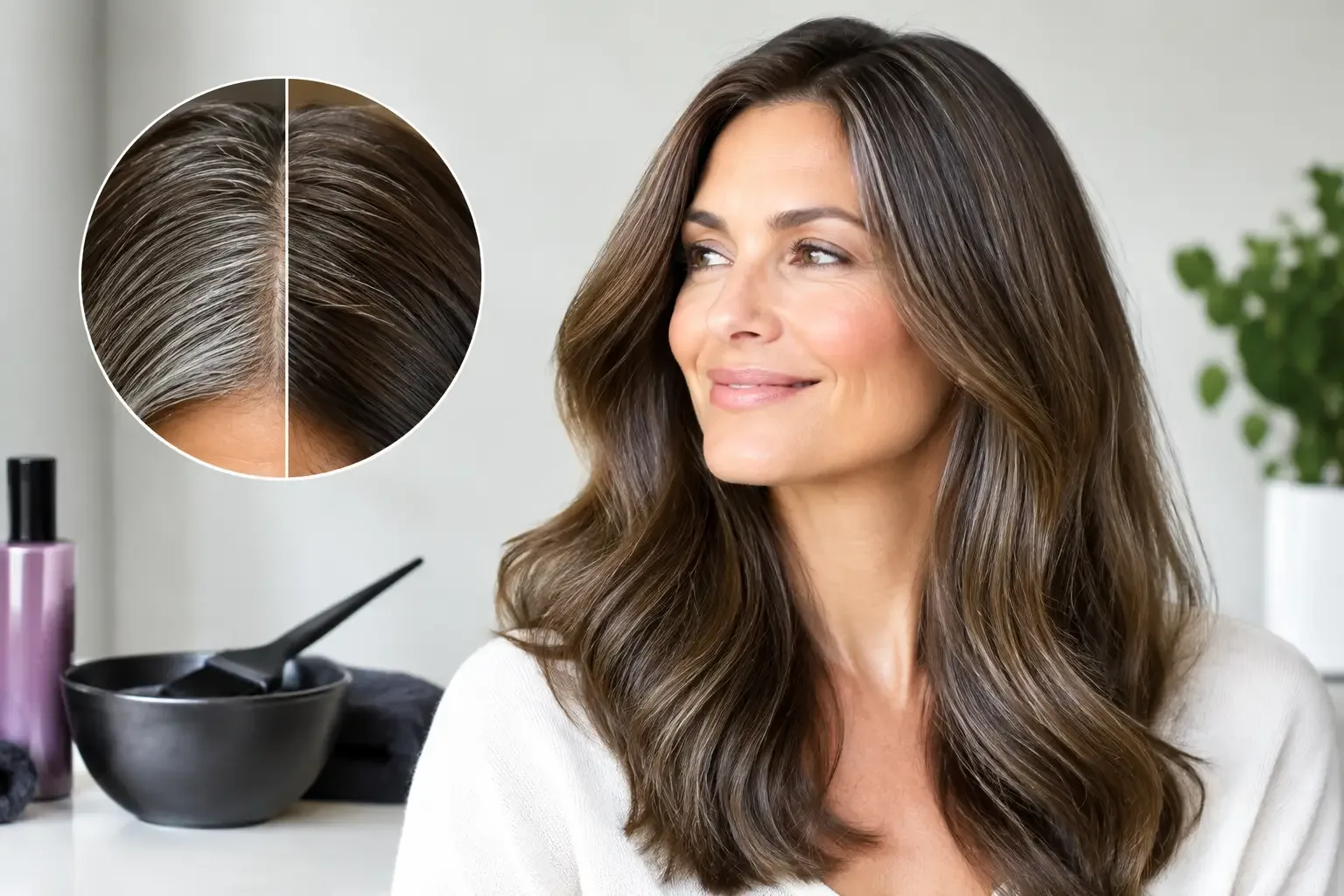
When gray hair is scattered throughout your part, hairline, or lengths, a gloss may blend those strands into the rest of your color. Instead of creating an opaque, solid block of coverage, it softens the contrast between gray and pigmented hair. This is especially flattering for clients who want their gray to look more intentional and less obvious without committing to a dramatic color change.
Think of a gloss as a sheer, high-shine veil of color. Gray strands may pick up tone, but they can still appear lighter than the surrounding hair. That is often the point: dimensional, expensive-looking color with softer regrowth.
Can Hair Gloss Cover Gray Completely?
A hair gloss can camouflage or blend gray, but it typically will not provide 100% permanent gray coverage. Gray hair has little to no natural pigment, and it can be more resistant to color than the rest of the hair. A gloss deposits color gently and fades gradually, which makes it ideal for a lower-commitment refresh but less powerful than permanent color on stubborn silver strands.
For someone with a few new grays around the temples, a gloss can make a meaningful difference. The gray may look warmer, cooler, softer, or more blended depending on the formula, while the rest of the hair gets a major shine upgrade. For someone with dense gray roots or coarse, resistant gray at the hairline, permanent root color is usually the more reliable route.
The best result may be a combination service. A stylist can apply permanent color where coverage matters most, then use a gloss through the rest of the hair to refine tone, add dimension, and create that glossy salon finish. This approach keeps the roots polished without making the overall color look flat.
Gray coverage depends on your starting point
The amount and placement of gray matters. A client with 10% scattered gray can often enjoy a subtle gloss result for several weeks. A client with 50% or more gray at the roots will usually see better coverage from a root touch-up.
Your desired shade also changes the answer. Blending gray into a lighter blonde, lived-in balayage, or dimensional brunette is generally easier than trying to create a deep, uniform dark shade over resistant gray. A stylist will also consider whether your gray is fine and soft or coarse and wiry, since texture affects how the hair accepts color.
When a Gloss Is the Perfect Choice
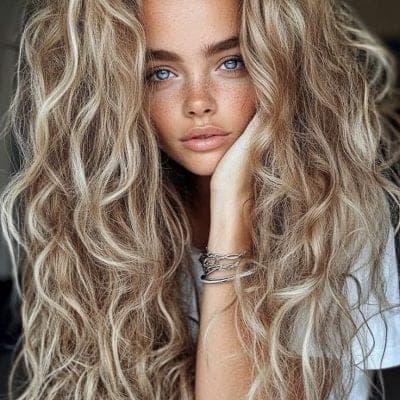
Hair gloss is an excellent service when you love your existing color but it has started to look dull, brassy, faded, or uneven. It can revive a blonde between highlight appointments, deepen a brunette without the commitment of permanent color, or add a rich tonal finish after balayage.
It is also a smart option for clients who are beginning to go gray and do not want to enter a strict root-maintenance cycle yet. Rather than fighting every silver strand, a gloss can soften the transition and make the overall look feel intentional. For many South Florida clients, that luminous finish is especially welcome after sun, saltwater, chlorine, and humidity have taken the sparkle out of their color.
A gloss can also be a beautiful introduction to color for someone who wants to test a warmer brunette, cooler beige blonde, soft copper, or richer red tone. Because it fades gradually, it offers flexibility while still delivering visible transformation.
When You May Need Root Color Instead
If your main goal is to make gray roots disappear as completely as possible, book a root touch-up rather than relying on a gloss alone. Permanent root color is formulated to lift and deposit pigment, providing more dependable coverage on resistant gray hair.
A root touch-up is usually the best choice when gray shows strongly along your part line, front hairline, and temples within a few weeks of coloring. It is also ideal when you prefer a consistent all-over shade with minimal variation between your roots and lengths.
That does not mean you have to choose one service forever. Many of the most polished color results pair root coverage with a gloss. Root color handles the coverage, while a customized gloss brings the lengths back to life. The finished look is richer, shinier, and more dimensional than a single-process color alone.
How Long Does a Gray-Blending Gloss Last?
Most salon gloss services last roughly four to six weeks, although gray blending may fade sooner on porous, resistant, or frequently washed hair. The tone gradually softens rather than leaving a harsh line of regrowth, which is one of its biggest benefits.
Your at-home routine plays a real role. Washing with very hot water, using harsh clarifying shampoos, swimming often, and heat styling without protection can shorten the life of your gloss. Color-safe shampoo, a heat protectant, and occasional deep conditioning help preserve shine and keep the color looking fresh.
If you are using gloss to blend early gray, regular appointments can keep your hair looking consistently polished without the pressure of dramatic maintenance. Your stylist can adjust the tone each visit as your natural gray pattern evolves.
Choosing the Right Gray-Blending Color Plan
The most flattering gray strategy is not always the one with the darkest or strongest coverage. Sometimes the real transformation comes from adding brightness around the face, softening the root line, or creating dimension that makes gray less noticeable in the first place.
For blondes, highlights and a beige, pearl, or golden gloss can diffuse silver strands into a brighter overall look. For brunettes, a rich neutral or warm gloss can make scattered gray appear softer while restoring depth through the mid-lengths and ends. For clients ready to embrace more gray, strategically placed highlights can create a graceful blend instead of an obvious grow-out.
A professional consultation matters because previously colored hair, extensions, smoothing treatments, and your color history all affect the formula. Your stylist can assess what your hair needs now, not simply apply the same answer to every gray strand.
Get Shine, Dimension, and a Plan That Fits You
Gray hair does not have to dictate your style. Whether you want soft blending, complete root coverage, brighter balayage, or a glossy tonal refresh, the right color service should make you feel more like yourself – only more polished.
At Pier Blondie, a customized gloss or root color service can be tailored to your gray pattern, lifestyle, and dream finish. Book your color consultation and let your next appointment turn faded, uneven, or silver-streaked hair into a look that feels intentional, luminous, and fully yours.