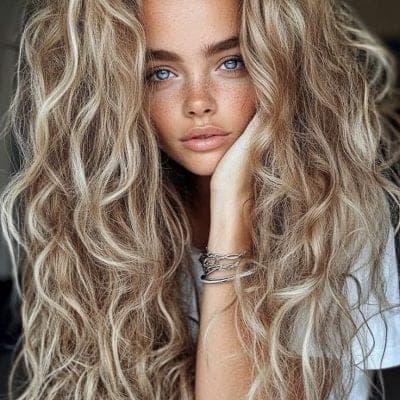

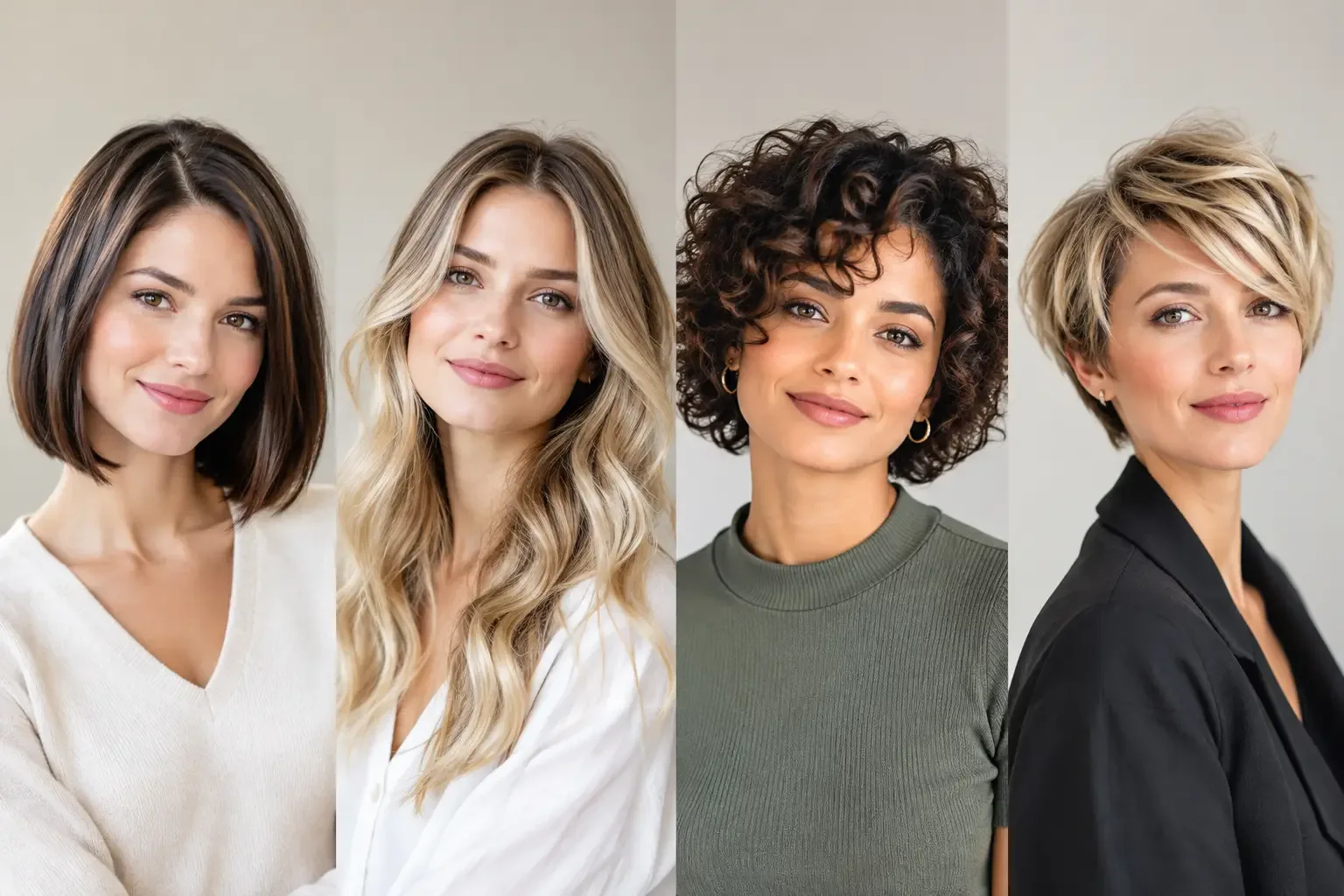
A haircut can make gorgeous color look brighter, give extensions a more believable finish, and turn your everyday styling routine into something far easier. The best women haircuts are not chosen from a trend photo alone. They are shaped around your face, natural texture, density, styling habits, and the kind of presence you want to bring into the room.
At Pier Blondie, a cut is never treated as a basic trim between color appointments. It is part of the full transformation. Whether you want a sharp, polished bob, soft movement through long layers, or a major change that feels completely like you, the details matter.
Women Haircuts Should Work Beyond the Salon Chair
A beautiful finish on appointment day is expected. What separates a great haircut from a frustrating one is how it performs after you wash it, sleep on it, step into South Florida humidity, and style it on a busy morning.
That is why the consultation matters. Fine hair often benefits from a stronger shape that creates the appearance of fullness, while thick hair may need thoughtful internal weight removal so it moves without becoming bulky. Naturally curly and textured hair needs a plan that respects its pattern instead of fighting it. A cut that is perfect for a sleek blowout may not be the right cut for someone who prefers to air-dry most days.
Your stylist should also consider your maintenance comfort level. A blunt bob can look incredibly chic, but it usually needs more frequent shaping to keep its clean edge. Long layers are more forgiving as they grow out, though they still need occasional refinement to avoid looking stringy or disconnected. Neither choice is better. The right one is the cut that fits your real life and still makes you feel polished.
Finding the Shape That Brings Out Your Features
Face shape is useful guidance, not a rulebook. The goal is balance, movement, and a shape that draws attention to the features you love most.
Bobs for a clean, elevated statement
The bob remains a favorite because it can be tailored so many ways. A blunt, one-length bob feels fashion-forward and makes fine hair appear denser. A softly textured bob brings in movement and is a little more relaxed. A longer bob, often called a lob, offers the same modern energy with more flexibility for ponytails, waves, and updos.
If your hair is very thick, a bob needs careful tailoring. Too much bluntness can create a triangular shape, while the right soft layers and weight removal keep the silhouette sleek. For curly hair, a bob can be striking when the length and layering support the curl pattern rather than forcing it into a shape it does not want to hold.
Layers for softness, volume, and movement
Layers are not one look. Long, nearly invisible layers can give heavy hair more swing without sacrificing length. Face-framing layers can bring attention to the cheekbones and eyes. More pronounced layers create a fuller, more styled effect, especially when paired with a blowout or loose waves.
The trade-off is that overly aggressive layering can make fine hair look sparse at the ends. It can also make certain textures feel harder to style. A skilled stylist will place layers where they add movement while preserving the weight your hair needs to look healthy and full.
Fringe and face framing with intention
Bangs can instantly refresh a haircut, but they deserve an honest conversation. Curtain bangs offer a soft, versatile option that can blend into face-framing layers as they grow. A full fringe creates more drama and can make the eyes stand out. Wispy bangs give a lighter, less committed feel.
Consider your hairline, cowlicks, texture, and how much time you want to spend styling. In Delray Beach humidity, a fringe may need a quick blow-dry or smoothing product to stay exactly where you want it. If you love the look but want lower maintenance, longer face-framing pieces often deliver a similar effect with more flexibility.
Make Your Haircut and Color Look Like One Vision
A haircut can either elevate your color or hide the dimension you invested in. Balayage, highlights, glosses, and dimensional brunette or blonde services look their best when the cut creates places for light to move.
Soft layers are especially effective for showing off balayage ribbons and blended highlights. The movement reveals the contrast between deeper roots and brighter lengths, making the color look lived-in and expensive. A clean blunt cut, on the other hand, makes a bold all-over color or high-shine gloss feel intentional and editorial.
If you are planning a major color change, consider the cut at the same appointment. Removing dry, overprocessed ends creates a stronger canvas for a fresh blonde, richer brunette, or vibrant new tone. It also helps your stylist design a finished look rather than treating the color and shape as separate services.
Haircuts for Extensions and Smoothing Services
Extensions should blend so naturally that the overall effect looks like your hair, only fuller, longer, or both. That result depends on the haircut as much as the extension installation. Strategic layers and face framing help merge your natural hair into the added length, avoiding a visible shelf or heavy line.
The same goes for keratin treatments and Brazilian blowouts. Smoother hair reflects more light and often appears longer, which can change how a current haircut sits. If your goal is a sleek, glassy finish, a precise shape can make that polished texture look even more intentional. If you still want volume, your stylist may preserve supportive layers that keep the hair from falling flat.
Tell your stylist about any planned extensions or smoothing services before the cut begins. The sequence can affect the finished result, particularly if you want a significant length change or have highly textured hair.
Bring Inspiration, Then Leave Room for Expertise
Photos are helpful because they show what catches your eye: the length, the fringe, the volume, the texture, or the overall mood. Bring a few images you genuinely love, plus one or two examples of what you do not want. This gives your stylist a clearer understanding of your style language.
Still, a photo is a starting point, not a promise. The model may have a different density, curl pattern, or extension support. The most flattering version of that look may need to be adapted for your hair. A confident stylist will explain what will translate beautifully, what needs adjustment, and what will help you recreate the look at home.
Be clear about your routine, too. Do you reach for a round brush every morning, wear your hair naturally wavy, pull it into a ponytail for work, or want an event-ready blowout once a week? These answers are just as valuable as the inspiration photos.
Keep the Shape Looking Intentional
Maintenance is where a haircut stays luxurious instead of slowly losing its point of view. Most medium and long cuts benefit from a refresh about every eight to 12 weeks, depending on the shape, condition, and color services involved. Shorter cuts, defined bobs, and fringes often need attention sooner to retain their structure.
At home, use products that support your finish instead of weighing it down. Heat protectant is essential if you blow-dry or use hot tools. A lightweight leave-in can make detangling easier, while a styling cream or mousse can encourage natural texture. For color-treated hair, the right care also helps preserve shine, so the cut and color continue to look freshly finished together.
Do not wait until your ends feel beyond repair to book a trim. Small, consistent appointments protect length better than dramatic corrections after months of breakage. If you are growing your hair, that approach is especially valuable.
The most confidence-boosting haircut is not necessarily the shortest, boldest, or most dramatic one. It is the one that makes your texture look intentional, your color look richer, and your reflection feel more like the version of yourself you want to show up as. Choose a shape that fits your life, trust the details, and let your next salon visit be a true refresh.