
A great curly haircut does more than remove length. It changes how your curls spring, frame your face, hold their shape, and show off your color. If you have been asking what haircut suits curly hair, the answer starts with your individual curl pattern, density, lifestyle, and the look you want to see in the mirror, not a one-size-fits-all trend.
Curly hair has its own personality. A shape that gives one client airy, defined movement may create unwanted width or a triangle silhouette on another. The right cut should make styling feel easier while giving your curls a polished, confidence-boosting finish.
What haircut suits curly hair best?
For most curl types, a customized layered cut is the strongest starting point. Thoughtful layers remove bulk where curls get heavy and build shape where hair tends to fall flat. They allow curls to stack naturally instead of forming one solid, dense line at the bottom.
That does not mean every curly client needs dramatic, short layers. Fine curls can lose fullness when they are over-layered, while thick, dense curls often benefit from more internal weight removal and intentional shaping. The goal is balance: enough structure to create movement, with enough weight to keep curls defined and substantial.
Your face shape matters, but it should not dictate your haircut. A skilled stylist can place volume, fringe, and layers to complement your features without forcing your curls into a shape that does not feel like you. The best curly cut is one that looks beautiful when air-dried, diffused, worn up, or styled for a night out.
Choose your curly haircut by length and look
Long curls: soft layers with a defined perimeter
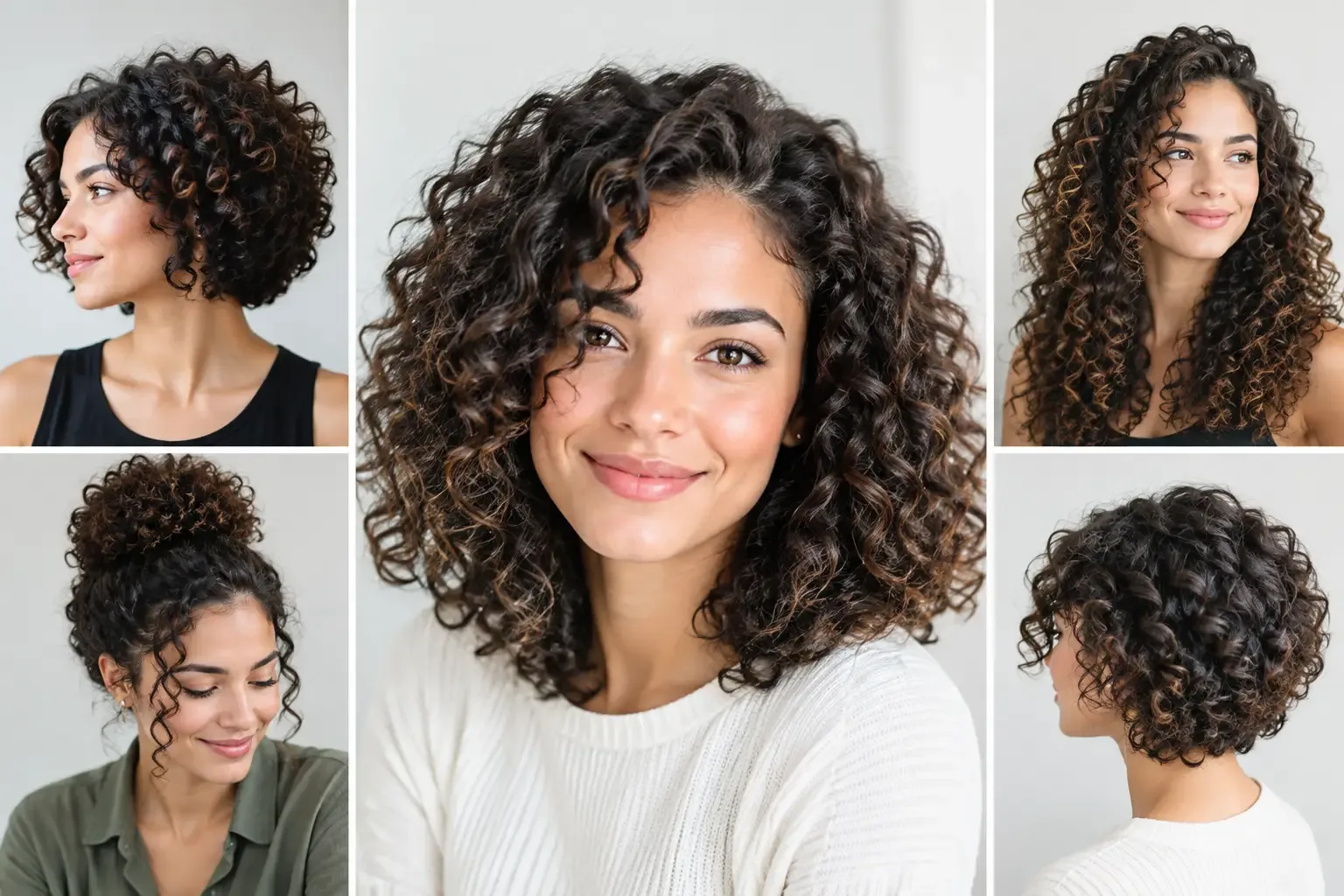
Long curly hair can look incredible with long, rounded layers that bring life through the mid-lengths and ends. This option preserves versatility for ponytails, braids, blowouts, and special-occasion styling while preventing the hair from feeling heavy or shapeless.
A blunt, one-length cut can work beautifully on some long curls, especially when the hair is fine or medium-density. The trade-off is that it may create more width at the bottom and less movement around the face. Adding a few long face-framing pieces is often enough to soften the look without sacrificing fullness.
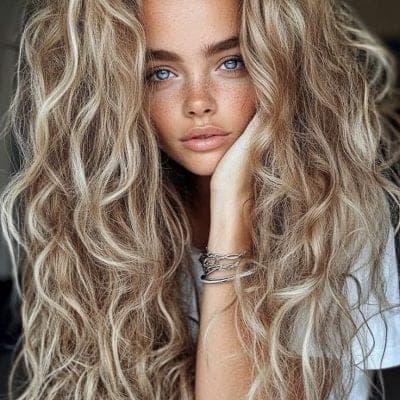
For clients who love balayage or dimensional highlights, long layers can also make ribbons of color more visible as curls move. Placement matters. Color should enhance the curl pattern, not disappear into a solid mass of hair.
Medium-length curls: the most versatile shape
A collarbone or shoulder-length curly cut is a favorite for a reason. It offers enough length for styling options while creating a lighter, bouncier silhouette than very long hair. Rounded layers, subtle face framing, and a soft curved perimeter can give medium curls an elevated, effortless look.
This length is especially flattering for clients who want a visible transformation without committing to a short cut. It can bring attention to the cheekbones and jawline, make dense curls feel more manageable, and create a refreshed shape after color or a smoothing service begins to grow out.
Be realistic about shrinkage. Curls can appear several inches shorter once dry, depending on the pattern and porosity of the hair. Your stylist should discuss the finished dry length before making a major change.
Short curls: shape is everything
Short curly hair can be bold, soft, playful, or polished, but it needs a clear plan. A curly bob, rounded crop, or tapered shape can create beautiful lift and definition when the cut is tailored to where your curls naturally expand.
A chin-length bob works well for many curl patterns, but the perimeter should be considered carefully. Too much weight at the ends can create a boxy outline. Too much layering can make curls look wispy or overly wide. The sweet spot is a balanced shape with movement through the crown and intentional fullness around the face.
For a more dramatic change, a tapered curly cut keeps the sides and nape more controlled while allowing volume on top. It is a statement look that can feel incredibly chic, but it requires more frequent maintenance to keep its silhouette sharp.
Layers, bangs, and face framing for curly hair
Layers are not the enemy of curly hair. Unplanned layers are. A curl-friendly layered cut should follow how your hair expands and contracts, not simply copy a straight-hair cutting formula.
Fine curls usually need softer, longer layers to avoid looking sparse. Thick curls can handle more layering, particularly around the crown and interior, to release weight and create a more sculpted result. Coily textures often benefit from shape-based cutting that respects the hair’s natural volume and shrinkage.
Curly bangs are another beautiful option if you want to change your look without losing overall length. They can highlight the eyes, soften a longer face, and give a familiar cut a fashion-forward edge. The commitment is real, though: bangs need regular reshaping and a little daily styling attention. A longer, curly curtain fringe is a lower-risk choice for clients who want softness around the face with more flexibility.
Face-framing layers are ideal when your curls feel heavy around the cheeks or when you want to draw attention upward. They can also blend beautifully into highlighted hair, extensions, or a fresh gloss for a finished, dimensional look.
Why dry cutting can make a difference
Curls rarely behave the same way wet as they do dry. When hair is wet, its length is stretched and its final curl formation is hidden. Cutting dry, or at least refining the cut when the curls are dry and styled, lets your stylist see where each section naturally lives.
That visibility is particularly useful for uneven curl patterns. Many people have tighter curls at the crown, looser pieces at the front, and different density from one side to the other. A customized approach can adjust for those differences so the finished shape looks intentional from every angle.
Wet cutting still has its place, especially for creating a clean foundation or managing very dense hair. What matters is not the label of the technique. It is whether your stylist understands shrinkage, density, curl grouping, and the shape you want after wash day.
Avoid the cuts that fight your texture
The wrong haircut is not always a bad haircut. Sometimes it is simply a haircut that asks your natural texture to do something it does not want to do. Extremely blunt lines, heavy thinning, and aggressive razor work can create frizz, uneven ends, or a disconnected shape on certain curls.
Thinning shears deserve a thoughtful conversation. Used carefully, they can reduce bulk in dense hair. Used too heavily, they can break up curl clumps and leave the ends looking fuzzy. If your hair has been thinned in the past and now feels puffy or hard to define, a strategic reshape and healthy trim may be more helpful than removing more hair.
The same goes for copying a photo exactly. Save inspiration, absolutely, but choose images with a similar curl pattern and density to yours. A salon consultation is where the vision becomes personal and wearable.
Get more from your curly cut
A beautiful cut needs a styling routine that supports it. Use hydration and hold based on your curl type, apply products while hair is damp, and avoid brushing dry curls unless you are intentionally creating a softer, fuller style. A diffuser can add volume and definition, while air-drying gives a more relaxed finish.
Regular trims matter because curly ends can become dry and lose their shape before split ends are obvious. Most clients benefit from a reshape every 8 to 14 weeks, depending on length, color services, and how precise the cut is. Short curly styles and bangs usually need more frequent maintenance.
At Pier Blondie in Delray Beach, a personalized curly haircut can be paired with dimensional color, a gloss, extension blending, or event-ready styling for a look that feels fully considered. Bring photos, share how you normally wear your hair, and be honest about how much time you want to spend styling it. The right shape should make your curls feel like your best feature, not your daily challenge.